Clocked 800MHz Lower, Yet Ran Faster — How Mobile Computing Rewrote the Rules of Silicon
In 2003, a 1.6GHz Centrino beat a 2.4GHz Pentium 4-M in battery and speed, shattering the Megahertz Myth and transforming modern computer architecture.
In 2003, a 1.6GHz Centrino beat a 2.4GHz Pentium 4-M in battery and speed, shattering the Megahertz Myth and transforming modern computer architecture.
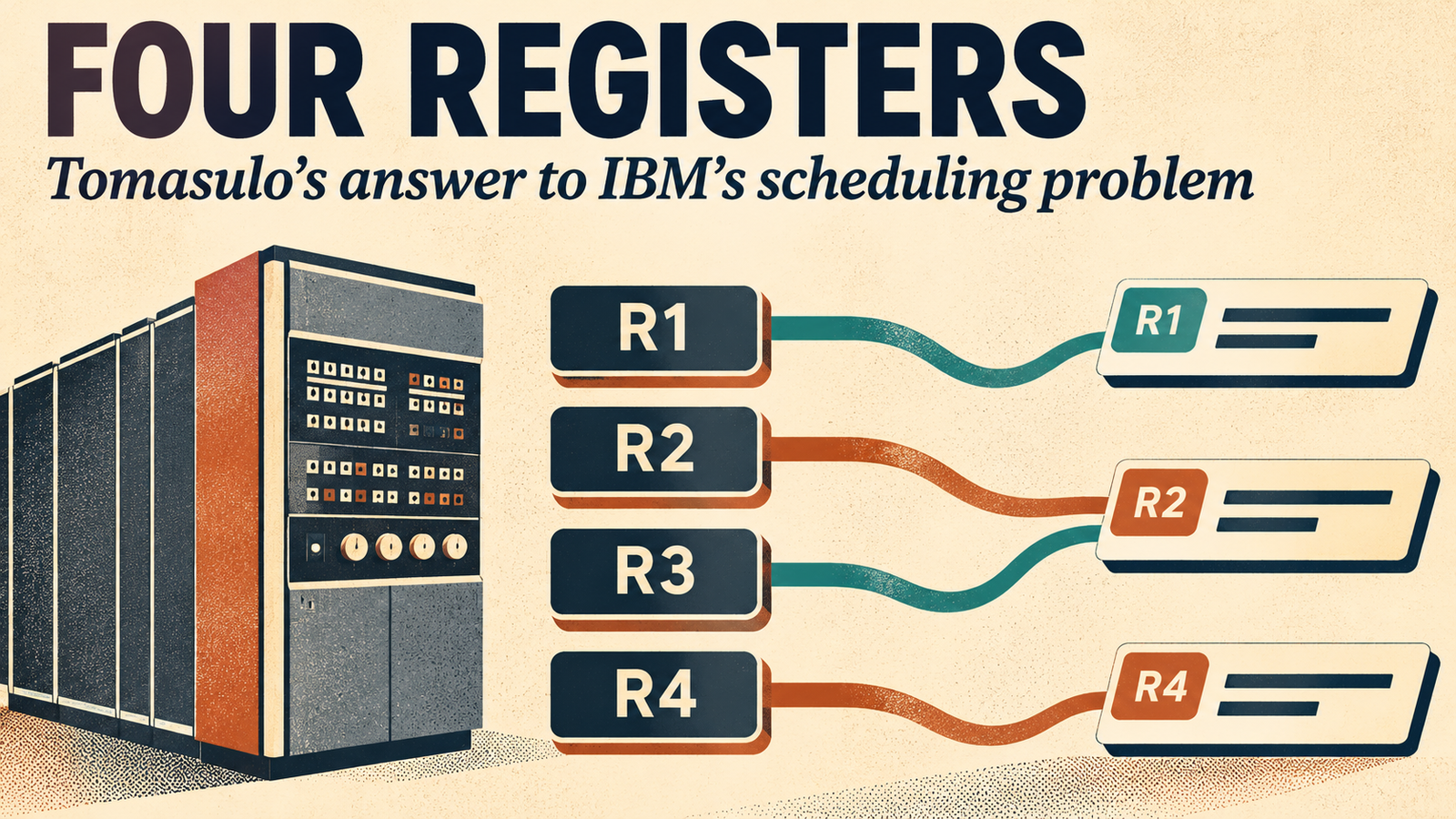
Robert Tomasulo used tags to reduce register-name conflicts in IBM's Model 91. Three animations explain the mechanism.
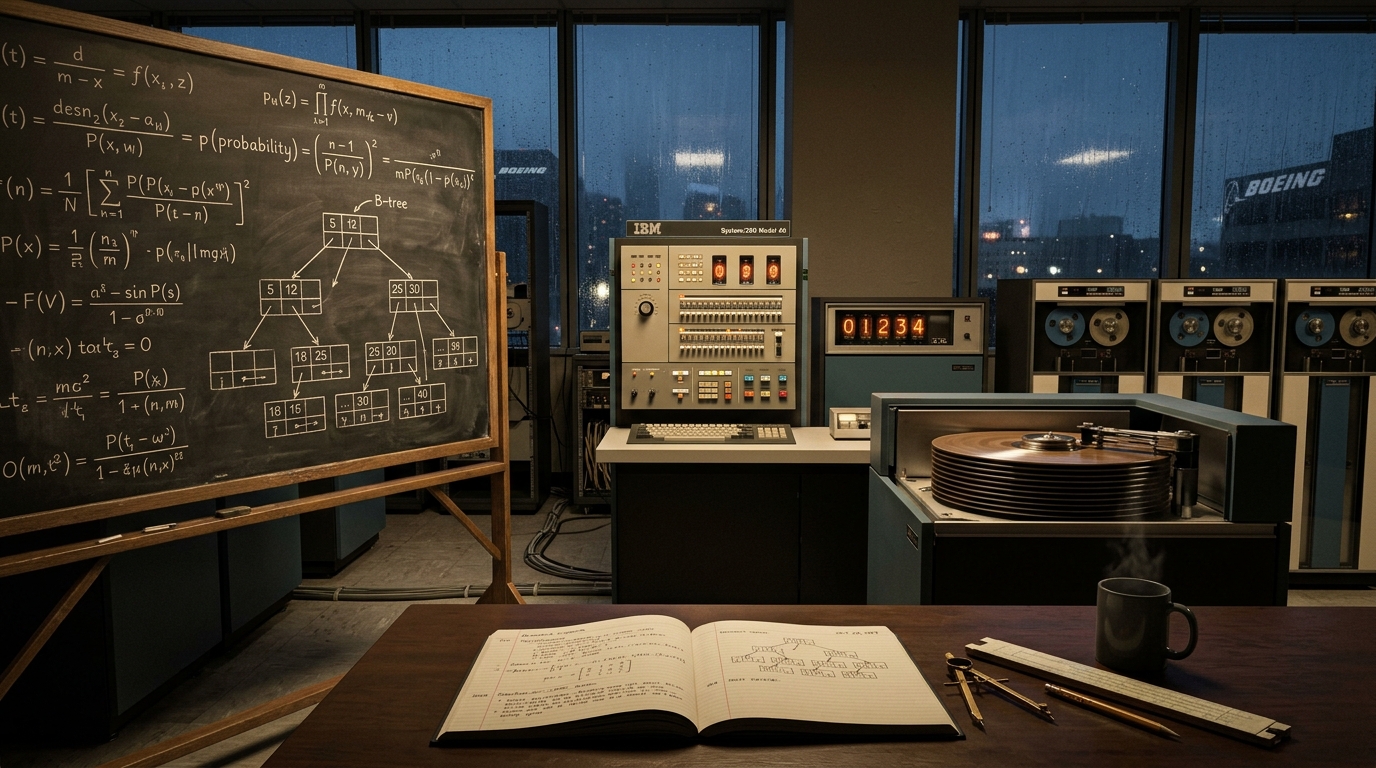
In 1969, Rudolf Bayer and Edward McCreight created the B-tree at Boeing, balancing 50 ms disk seeks against 90 μs data streaming.

The CDC 6600 gained speed through short signal paths, peripheral processors, and a hardware scoreboard, while its operating system lagged behind.
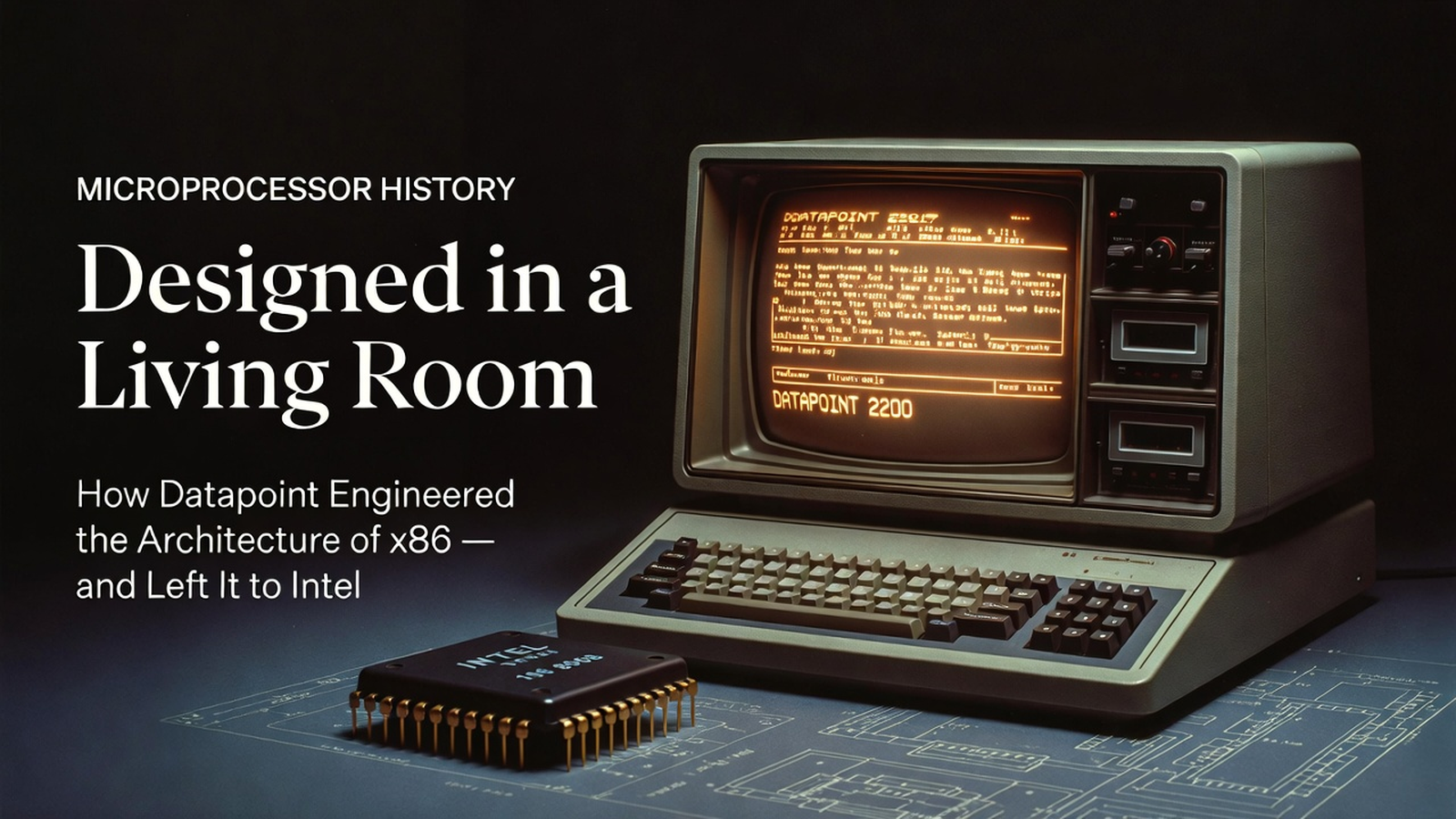
In 1969, CTC designed the instruction set behind modern PCs on a living room floor, but walked away from the chip over a development fee.
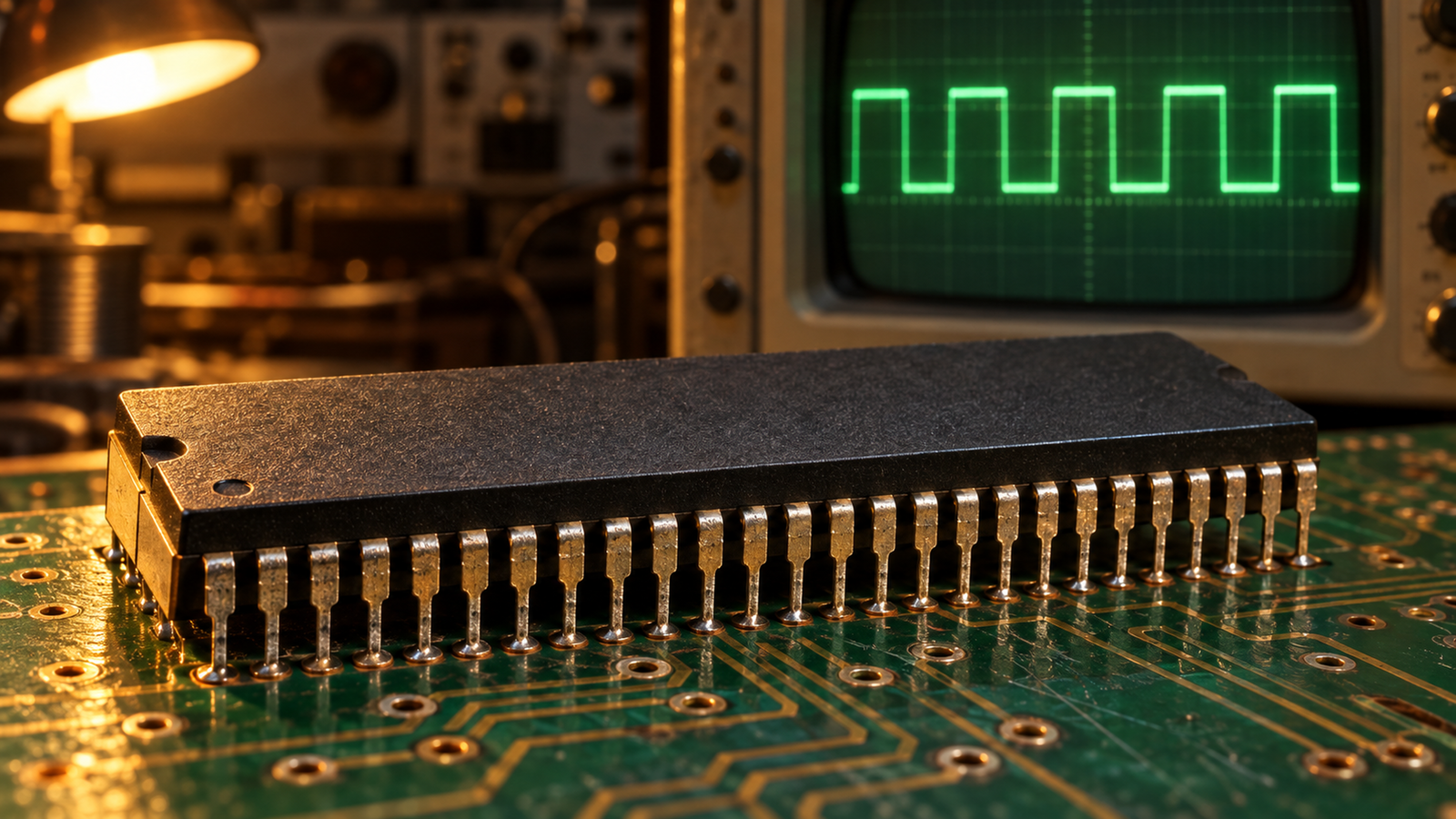
Born in 1976, the Z80 architecture remained in continuous commercial production across an entire product family for 48 years. By trading raw benchmark pursuit for a single 5V rail and on-chip DRAM refresh, it slashed system BOM costs; by offering absolute cycle determinism, it became an irreplaceabl

How Boston Dynamics lost the physical revolution it spent thirty years inventing

Too useful to scrap, too secret to exist
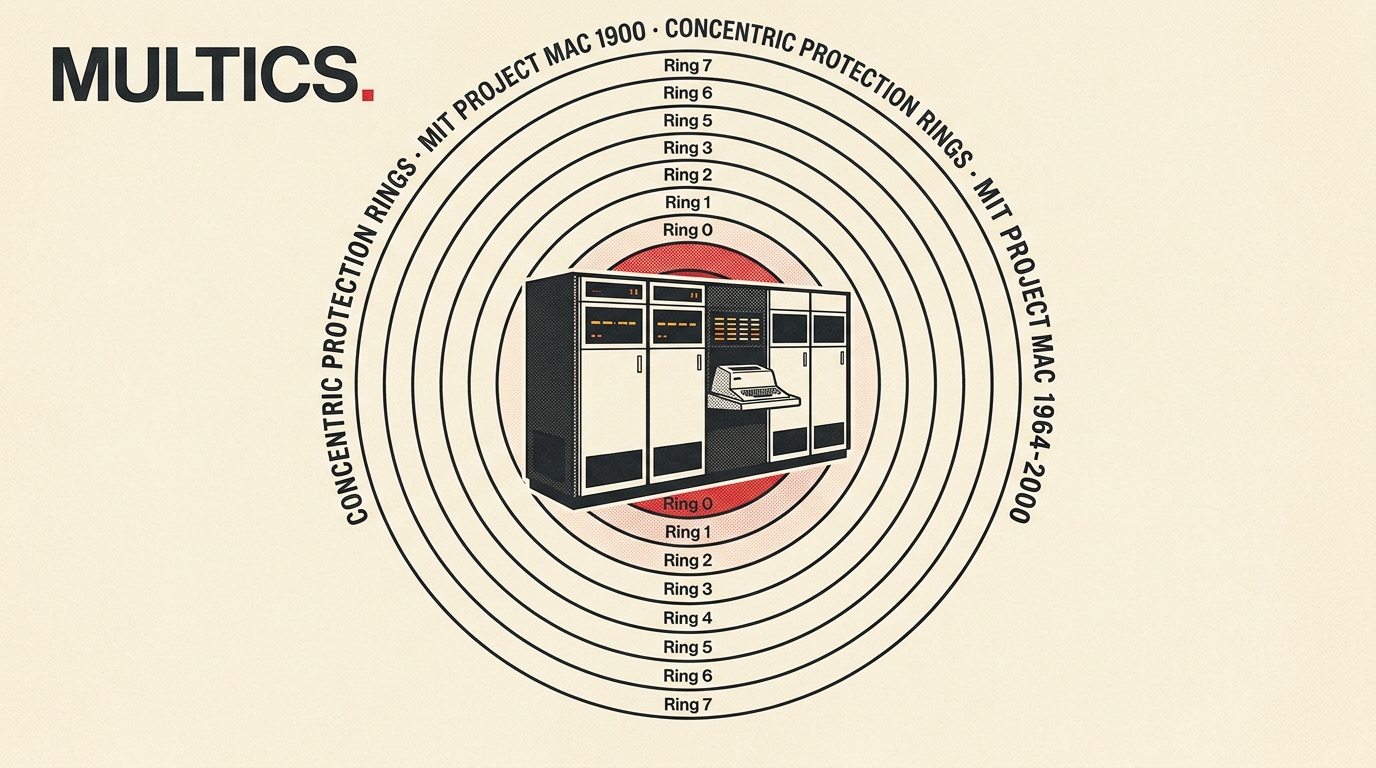
Multics is remembered as the bloated failure that gave us Unix. In reality, it ran for thirty-three years and earned the Pentagon's highest security rating.
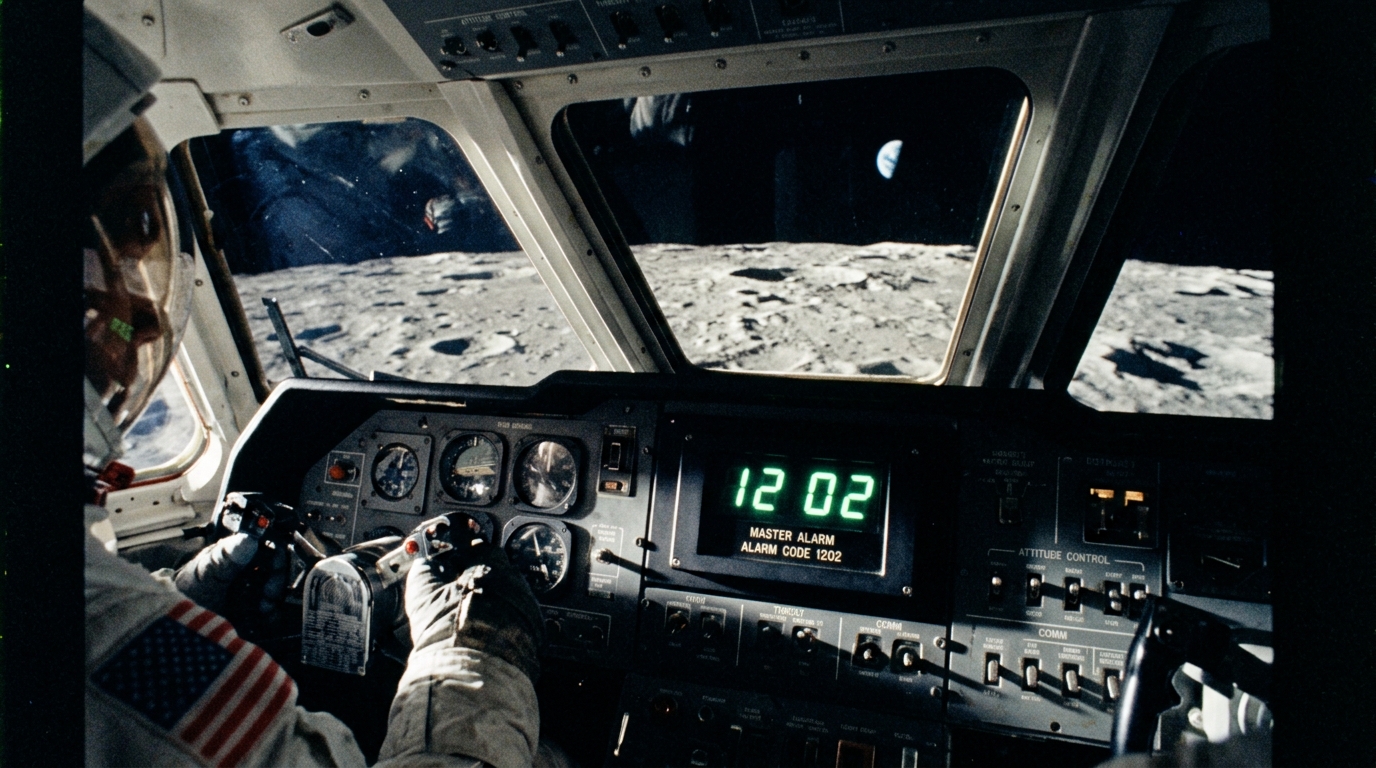
In 1969, Apollo 11 faced a computer overload three minutes before lunar touchdown. Here is how an asynchronous priority scheduler saved the mission.