Who Really Deserves To Be Called The Father Of The Internet
Who Really Deserves To Be Called The Father Of The Internet. IT HISTORY Who Really Deserves To Be Called The Father Of The Internet When people talk about。

IT HISTORY
Who Really Deserves To Be Called The Father Of The Internet
When people talk about the father of the C programming language, the answer is usually easy: Dennis Ritchie of Bell Labs, who was also one of the creators of Unix, alongside Ken Thompson.
The father of C++ is Bjarne Stroustrup, also from Bell Labs.
The father of Java is James Gosling from Sun Microsystems.
The father of Linux is Linus Torvalds, a Finnish student.
And so on.
Many technologies and systems have clear creators. But if I ask, “Who is the father of the Internet?”, most people may need to pause for a moment.
The Internet is one of the greatest inventions in human history. It has reshaped almost every part of modern life. But unlike a programming language or an operating system, the Internet was not built by one or two people. It was the result of many ideas, many experiments, and many breakthroughs over decades.
1. Distributed Networks
In a sense, the birth of the Internet owes something to the Cold War.
In October 1957, the Soviet Union launched Sputnik, the first artificial satellite in human history. The event shocked the United States. Americans realized that in the global technology race, they were beginning to fall behind.
In response, President Dwight D. Eisenhower created the Advanced Research Projects Agency, or ARPA. After World War II, the United States had enormous financial power, and ARPA received $5.2 million in initial funding and a total project budget of $200 million.
Part of that money, about $1 million, went into building ARPA’s computer network. Strictly speaking, this was only a small experimental network. No one had ever built anything like it before.
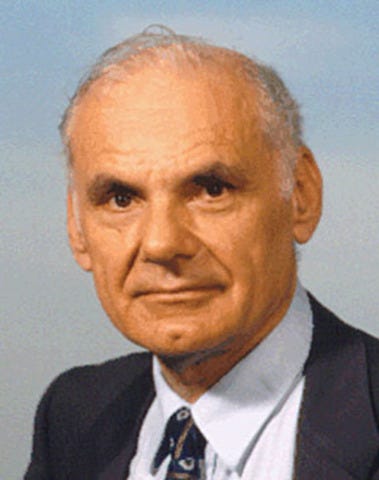
The person leading this effort was Lawrence Roberts.
From the beginning, ARPANET established one of the most important principles of today’s Internet: a distributed network.
Roberts believed that a central node was unreliable. If all computers were connected through one central point, that center would eventually collapse under the pressure of network expansion and traffic overload.
The network of the future should have equal nodes. That way, the network could expand freely, and as the number of nodes grew, it would become more capable.
There is also another common explanation: this design was intended to survive a Soviet military attack. If a country depended on one centralized military command center, and that center was destroyed by nuclear weapons, the whole command system could become paralyzed. A distributed command system, composed of many separate command points, would continue to function even if some of those points were destroyed.
Whatever the exact motivation, the idea of a distributed network was a great one. It laid the foundation for the modern Internet.
2. Packet Switching
ARPANET was a packet-switched network. Packet switching is one of the core technologies behind the Internet.
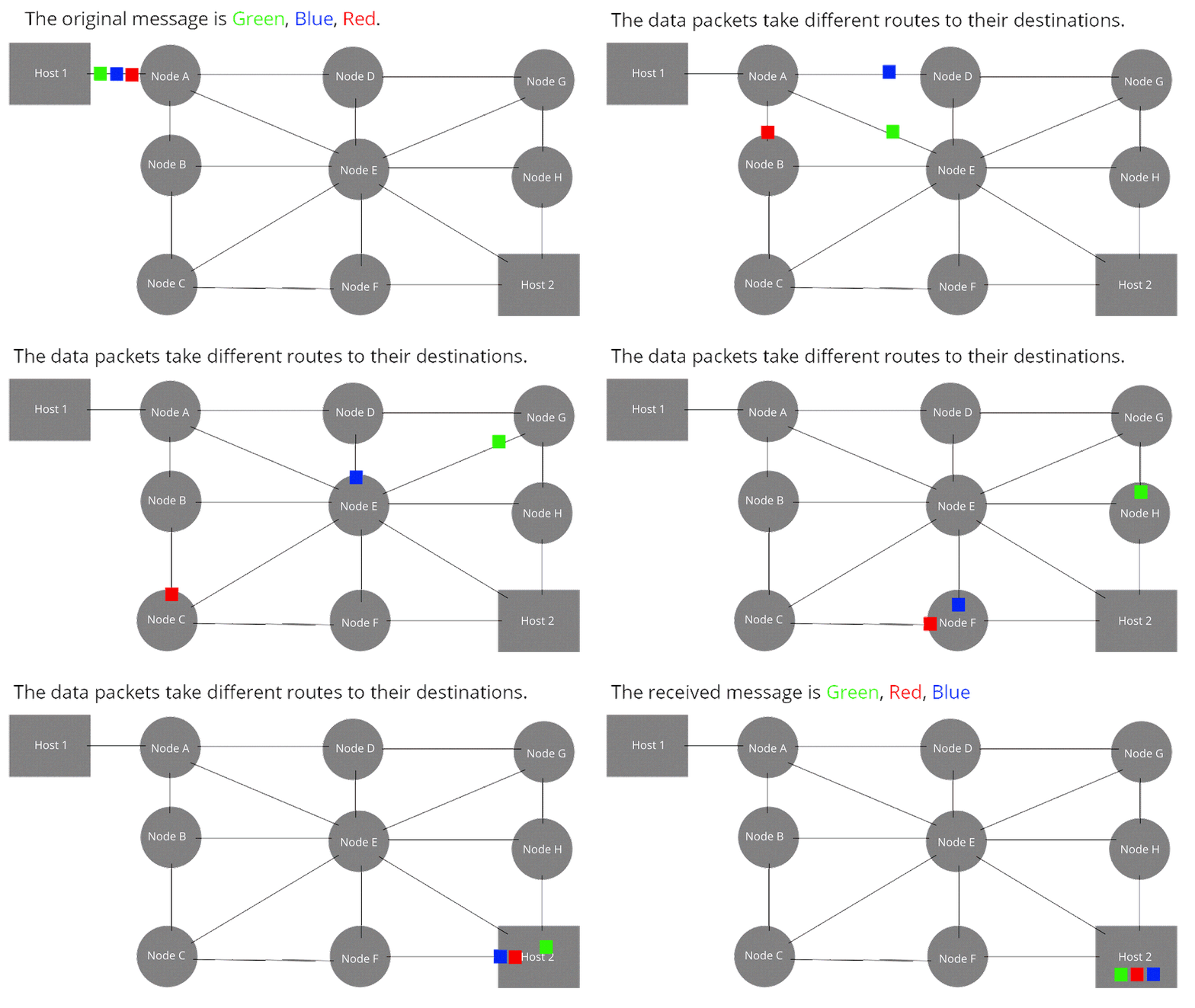
Instead of sending data across the network as a single unit, packet switching breaks it into smaller pieces, or packets. Each packet can choose the fastest available route through the network. After the packets reach their destination, they are reassembled into the original data.
There is another way to move data through a network: circuit switching.
In a circuit-switched network, before two systems can communicate, the network’s nodes must allocate resources and establish a connection for that conversation. This is a real connection: bandwidth and transmission capacity are reserved in advance. More importantly, all packets must travel through the same connection to reach the destination.
That connection can only be used by that one communication session. If both sides pause, as people often do during a phone call, the reserved resources are wasted.
A packet-switched network does not create a fixed connection through every node for each communication session. Different packets can take different routes, and transmission links can be shared packet by packet among many users.
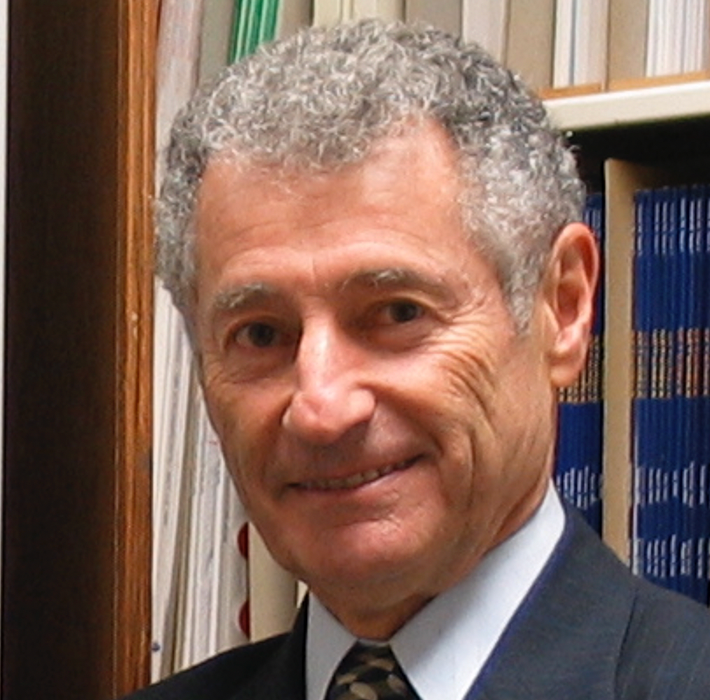
One of the people who laid the theoretical foundation for packet switching was Leonard Kleinrock.
3. The Genesis of the Internet
In October 1969, ARPANET, the predecessor of the Internet, was finally built.
At the time, it had only four nodes: one mainframe computer each at UCLA, UC Santa Barbara, Stanford Research Institute, and the University of Utah.
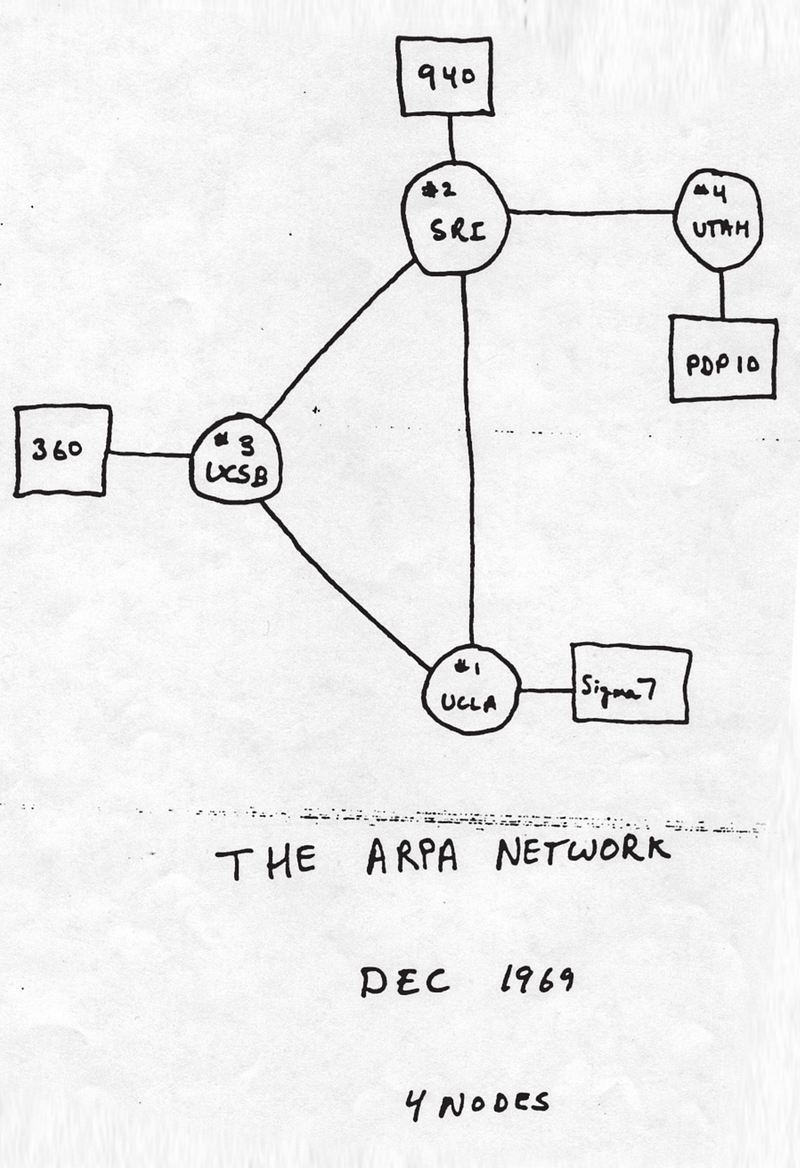
One reason these four nodes were chosen was to test whether different kinds of host computers could be connected.
The first message sent over ARPANET was not a polished, symbolic sentence like Neil Armstrong’s famous line on the Moon: “That’s one small step for man, one giant leap for mankind.”
Instead, it was painfully simple.
Each time a letter was sent, Kleinrock called Stanford by phone and asked, “Did you receive it?” Only after confirmation did they send the next letter.
The first two letters, “L” and “O”, were successfully transmitted to Stanford. But when the third letter, “G”, was sent, the network crashed.
The Internet's predecessor was fragile.
By coincidence, “lo” is an old English word meaning “look” or “behold”, often used to draw attention or express surprise. The first message of a new era was not a bad start.
4. TCP/IP
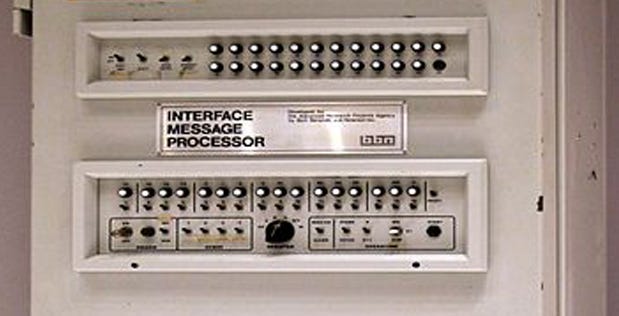
The earliest ARPANET ran on the Interface Message Processor, or IMP, and the Network Control Program, or NCP. At that time, the word protocol had not yet become common in this context.
IMP and NCP successfully connected several ARPANET nodes. But if the network was going to expand, especially across different types of computers, there were not enough.
The real challenge was much larger: how could computers and networks around the world communicate with each other, regardless of the hardware and software they used?
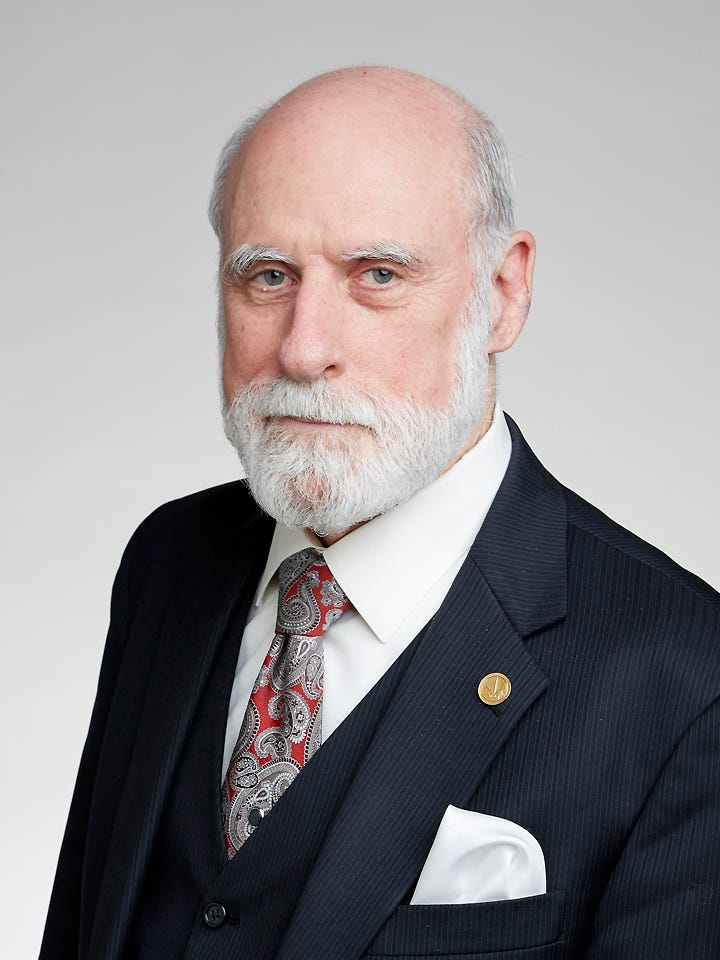
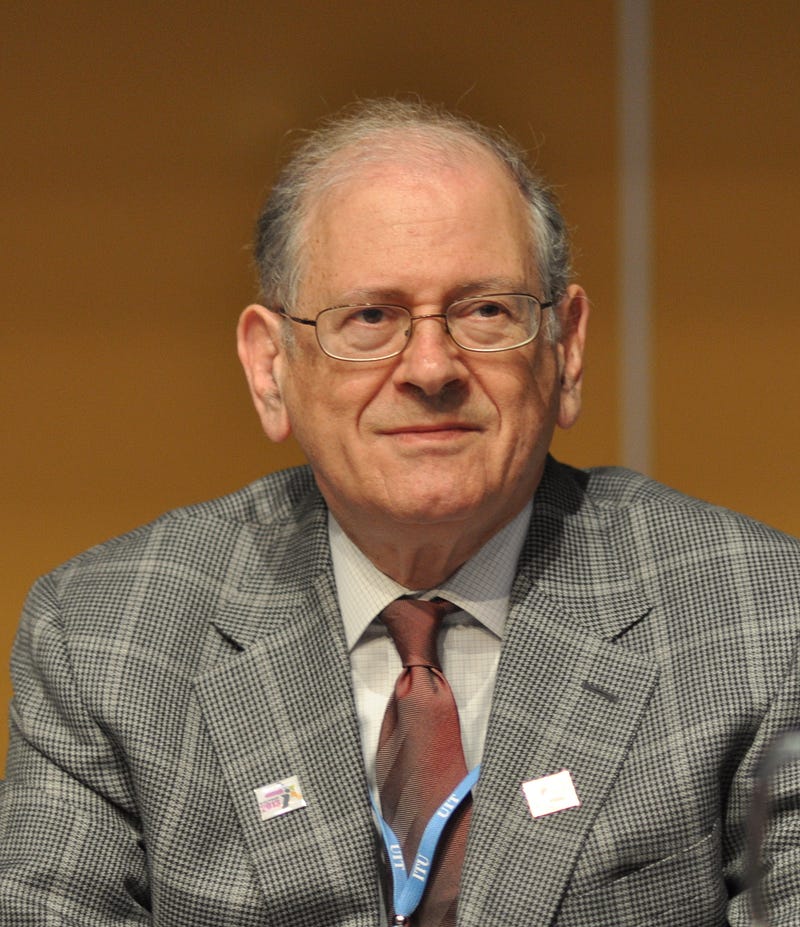
In 1973, Robert Kahn and Vint Cerf made a decisive breakthrough with TCP/IP.
IP gives every computer connected to the Internet an address, much like a street address for a house. TCP makes reliable transmission possible over an unreliable network. In plain language, when data is lost, TCP ensures it can be retransmitted.
When TCP/IP was invented, personal computers, workstations, and smartphones did not yet exist. Ethernet, DSL, Wi-Fi, and many other access technologies did not yet exist either. Kahn and Cerf could not have known about the Web, social networks, or streaming video.
Yet more than four decades later, TCP/IP still dominates the Internet.
That says a great deal about the scalability and adaptability of the protocol. It also shows the depth of Kahn and Cerf’s insight and the power of the ideas behind their design.
In 2004, Robert Kahn and Vint Cerf received the ACM Turing Award for their pioneering work on internetworking, including the design and implementation of TCP/IP.
Calling them fathers of the Internet is entirely reasonable.
Why Was TCP/IP So Successful?
TCP is often described as a connection-oriented protocol. But in reality, the state of the connection is kept entirely at the two endpoints, not inside the network itself.
Intermediate network devices, such as routers and switches, do not maintain TCP connection state the way a virtual circuit system would. In fact, routers are almost completely unaware of TCP connections. They only see IP datagrams.
This design gives the network enormous flexibility. It places minimal requirements on the network layer.
For example, if you want to invent the Web, all you need to do is connect a new server to the network, define a new application-layer protocol such as HTTP, and let client computers access the server. You do not need to redesign the routers and switches inside the network.
If the Internet had been built on circuit switching, things would have been much harder. Because intermediate nodes would need to maintain connection state, adding a new application-layer service would not only require changes to end systems but could also require changes within the network.
That would have made innovation far more difficult.
5. The World Wide Web
By this point, the Internet’s infrastructure was in place. Applications such as email and Telnet were already running on top of it.
But the Internet was still mainly a tool for scientists, engineers, and technical professionals. It was far away from ordinary people.
In 1984, Tim Berners-Lee arrived at CERN, the famous European nuclear research organization. There, he would create another of the great inventions in human history.
Earlier Internet work focused on one question: how can we connect computers through a network?
At CERN, Berners-Lee began asking a different question: how can we connect the information inside computers?
This was a very real problem. More than 10,000 scientists worked at CERN. They used many different computers and software systems. On one computer, you logged into one system; on another computer, you had to use a different system. Exchanging information across machines was extremely difficult. At the time, email was probably the most advanced method available.
Berners-Lee proposed using hypertext to connect the different laboratories inside CERN. Once built, the system might even expand to the whole world.
In 1989, he successfully developed the world’s first web server and the first web browser.
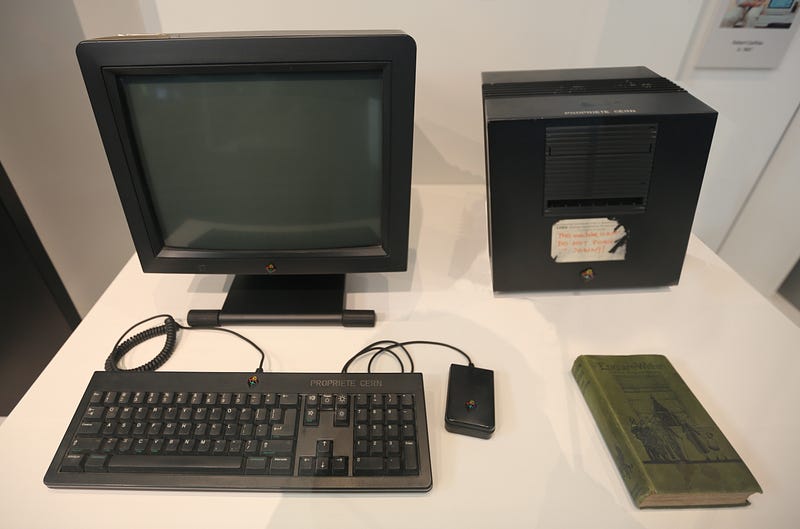
That first web server was simple. It was little more than CERN’s phone book, allowing users to log in and look up researchers’ telephone numbers.
But it was still a great invention.
In December 1989, Berners-Lee formally named his invention the World Wide Web, or WWW.
In 1994, Marc Andreessen helped ignite public enthusiasm for the Internet with the more user-friendly Netscape browser.
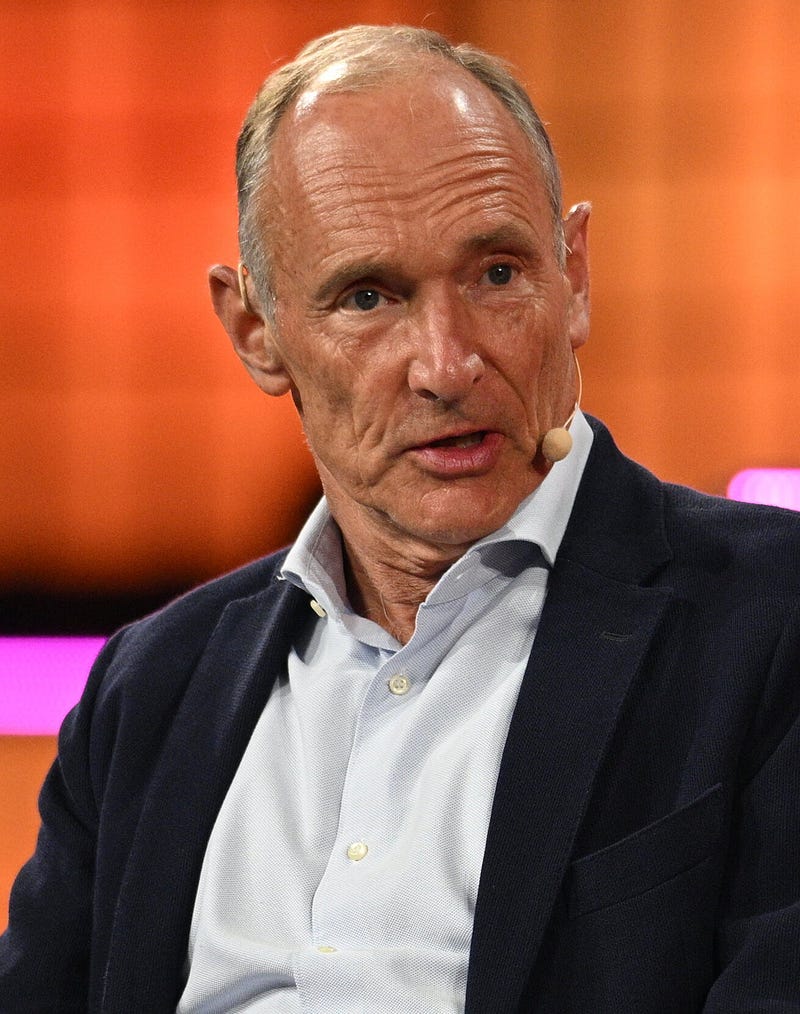
What makes Berners-Lee even more remarkable is that he did not patent his invention.
As he explained, if he had patented the Web, the WWW might have become just one closed system among many. Different systems would never have been compatible. His wish was for everyone to be able to share information on the Web. That was too important to put behind a paywall.
We should all be grateful to Tim Berners-Lee.
Without him, the Internet might never have become a tool ordinary people could use.
So, Who Is the Father of the Internet?
There is no single answer.
If we are talking about the distributed network that became ARPANET, Lawrence Roberts deserves enormous credit.
If we are talking about packet switching, Leonard Kleinrock was one of the foundational figures.
If we are talking about TCP/IP, the protocol suite that still powers the Internet, Robert Kahn and Vint Cerf are rightly called the fathers of the Internet.
If we are talking about the Web that brought the Internet to ordinary people, Tim Berners-Lee changed history.
The Internet was not born from one person’s idea. It was built through layers of insight: distributed design, packet switching, internetworking protocols, and finally the Web.
That may be the most Internet-like answer of all.
The father of the Internet is not one person. It is a network of pioneers.
Support writers. All our non-profit’s offerings here.
Click here to subscribe to the IT Chronicles newsletter.
Click for Wordsmith, Mystery Writing, Write Like Stephen King, more
By the EIC Susan Brearley with Ideogram