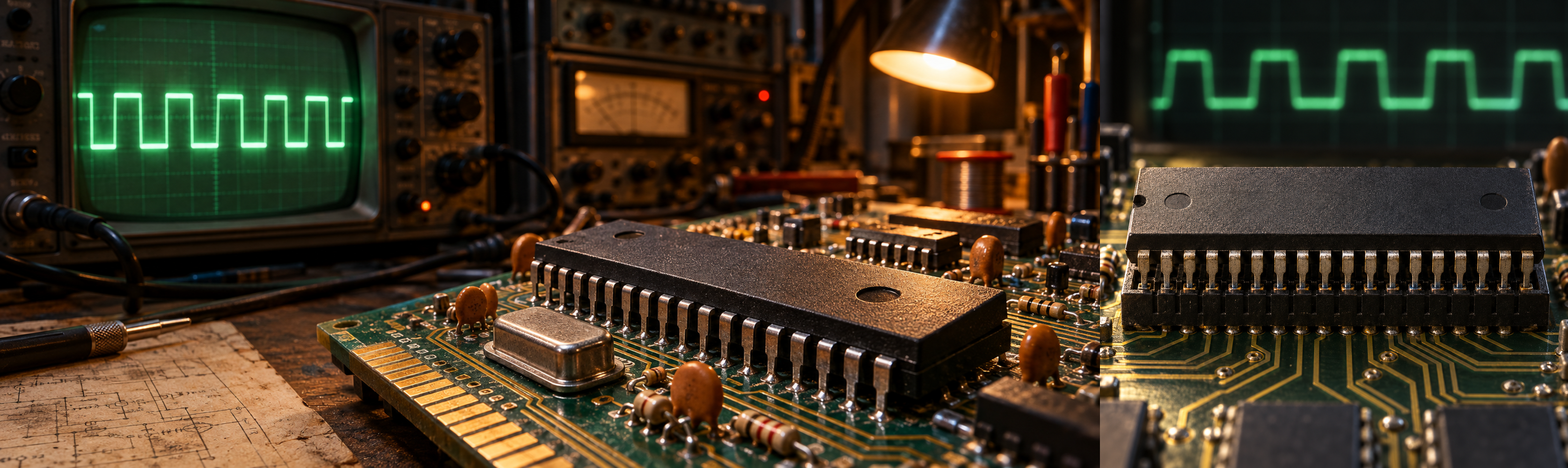
This Doctor Invented the World’s First Personal Computer
The inventor of the Altair 8800 inspired Bill Gates to found Microsoft — and then walked away to finish his life list

IT HISTORY
This Doctor Invented The World’s First Personal Computer
The world’s richest man visits a country doctor
In 2010, Bill Gates showed up at a hospital in Macon, Georgia, and asked a nurse where he could find a patient named Roberts.
The nurses were puzzled.
Ed Roberts was the local family doctor. He’d been admitted with pneumonia, and things weren’t looking good. He’d practiced medicine in this small town for over two decades — a familiar, unremarkable face. Why would the world’s richest man fly in to visit him?
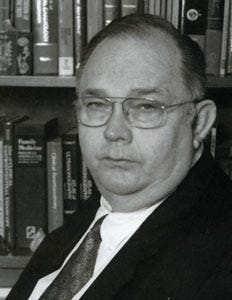
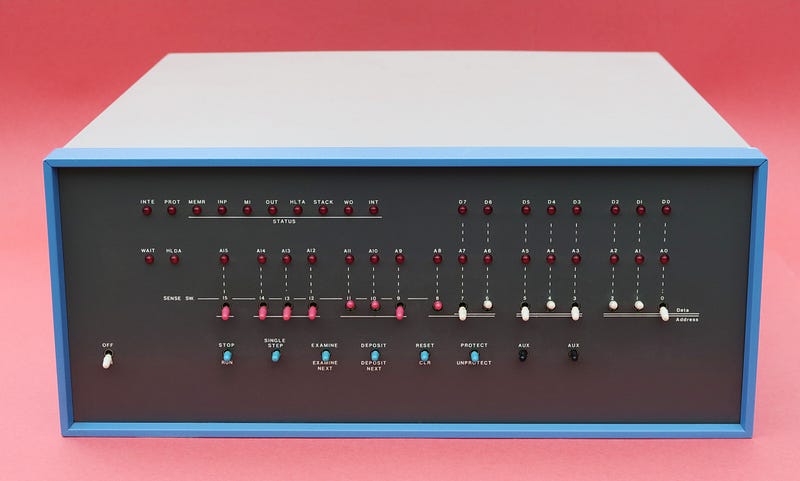
What none of them knew: this quiet country doctor had changed the direction of an entire industry. He had invented the world’s first personal computer, Altair 8800.
In January 1975, the Altair appeared on the cover of Popular Electronics. A 19-year-old Bill Gates saw it on a newsstand — and realized the future had arrived.
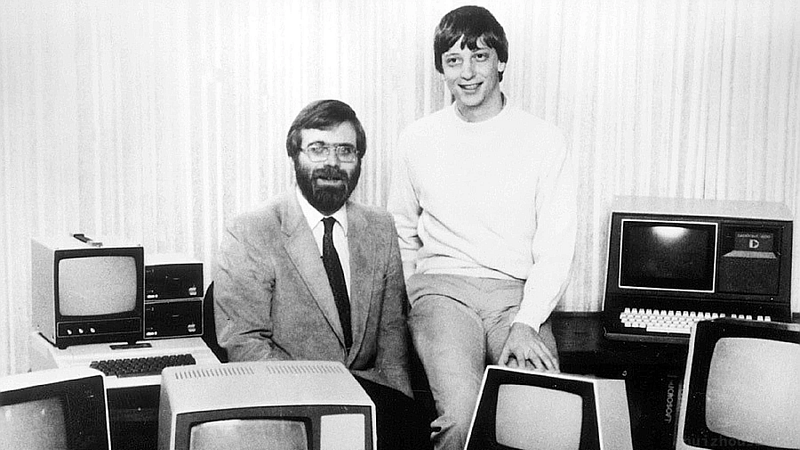
Within weeks, he and Paul Allen built a BASIC interpreter for the Altair. Allen flew to Albuquerque to demonstrate it — and secured a deal with MITS. To pursue the opportunity, they formed a company called Microsoft.
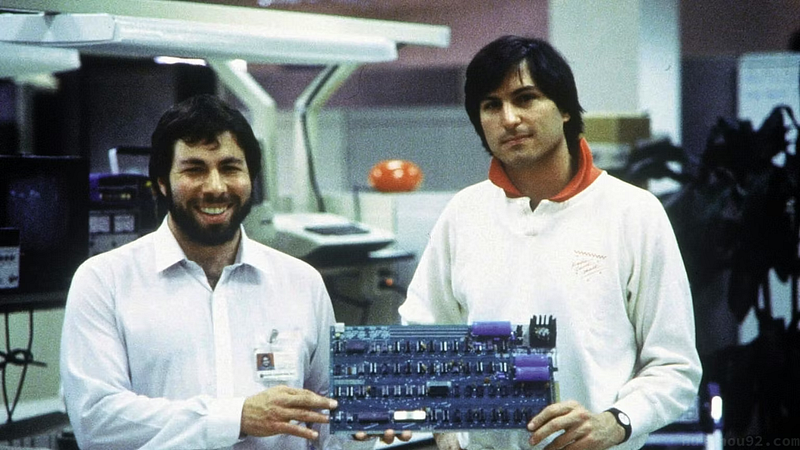
Steve Wozniak saw the Altair and was fascinated by the idea of a personal computer. He set out to build his own — and soon partnered with Steve Jobs to turn that vision into Apple.
Roberts kicked open the door to the personal computing treasure, ushered in Gates and Jobs, glanced inside — and turned away.
A life list, written early
Roberts was born in Miami in 1941. By the time he was a young man, he had figured out exactly what he wanted from life — three things:
- Make a million dollars.
- Learn to fly and own a plane.
- Live on a farm and become a doctor.
His family didn’t have money. He put himself through college on an Air Force scholarship, which meant he owed the military some years of service. To supplement his modest salary, he and a few partners started a company called MITS in Albuquerque, New Mexico, there was a company that sold electronic kits.
They hit the market at the right moment. Their electronic calculator kit — priced at $275 — was pulling in thousands of orders every month.
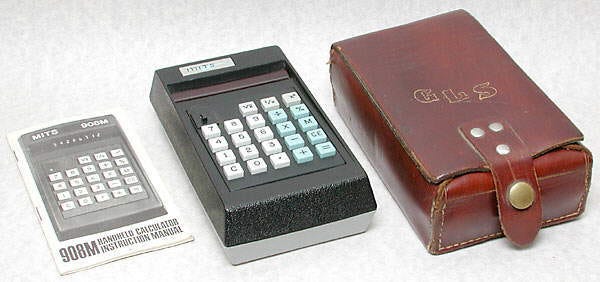
Then, Texas Instruments entered the arena.
TI didn’t compete on features. They launched a calculator at $120 and priced MITS straight out of existence. The company ended up $300,000 in debt.
Roberts didn’t fold. He bet on something bigger.
A bluff built on a borrowed deadline
In 1974, Intel released the 8080 microprocessor. At $360 a chip, it was powerful enough to run a personal computer — but nobody had tried to build one for ordinary people.
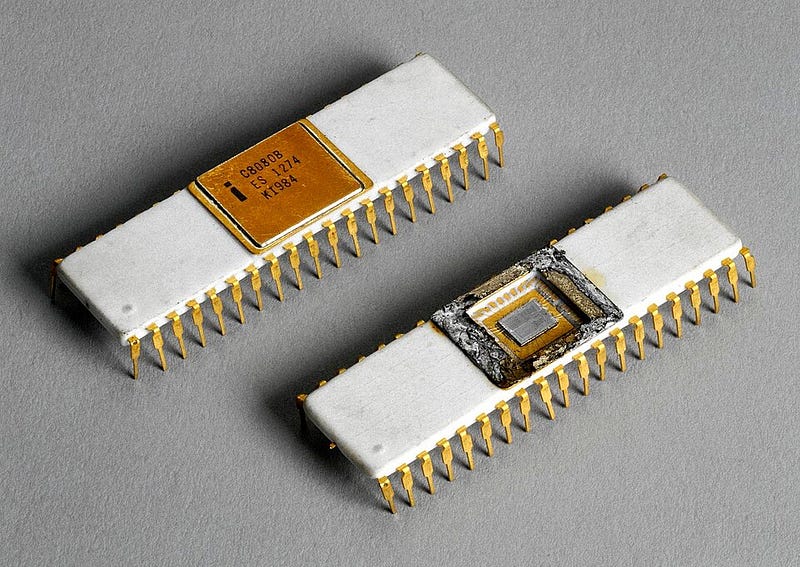
Roberts went to Intel and told them MITS needed bulk pricing or the deal was off. Intel blinked. The price dropped to $70 per chip.
Then he went to a bank and told them the new machine would sell at least 800 units. The bank lent him $65,000.
The number was made up. He had no idea if he could sell a single one.
With the money secured, he started building. By mid-1974, the funds were almost gone, and the machine still wasn’t finished.
That’s when Popular Electronics called.
Two magazines were locked in a circulation war at the time: Popular Electronics and Radio and Electronics. The latter had run a feature on a machine using the Intel 8008. Popular Electronics needed a counterpunch. Their editor told Roberts: Get us a working machine by the end of October, and we’ll put you on the cover.
“If this article doesn’t run, we’re dead,” Roberts said. He drove his team to finish the prototype and shipped it to New York.
The machine got lost.
A nationwide shipping strike had brought freight to a standstill. The editorial deadline wouldn’t wait. Roberts flew to New York with his blueprints, talked the editor through the design in person, and convinced him the machine was real. The editor named it Altair. Roberts built a shell model, flew it to the editorial office, and they shot the cover.
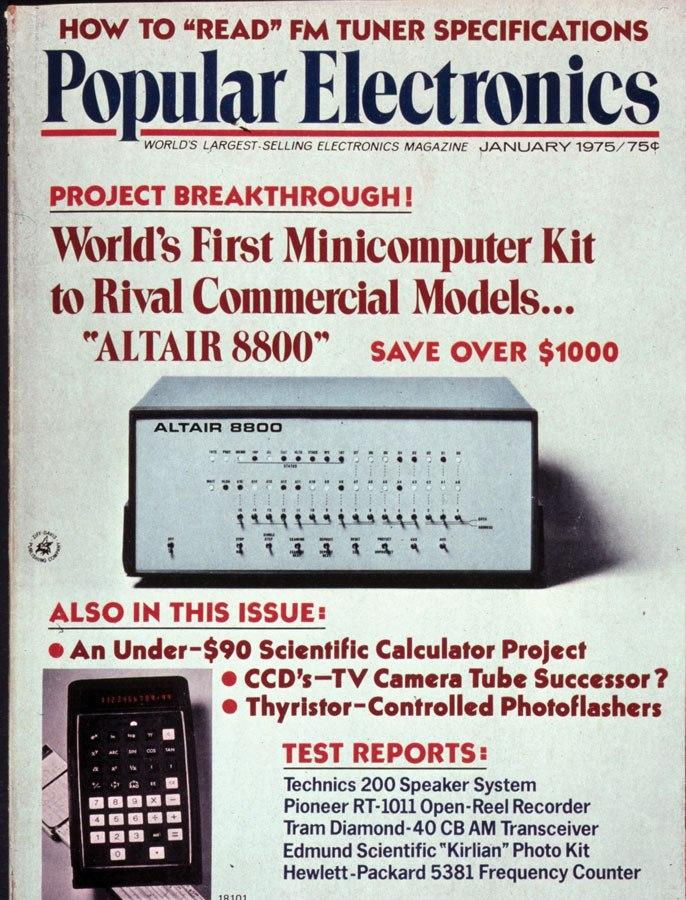
Within minutes of the issue hitting newsstands, the phones at MITS started ringing. They never really stopped.
Leaving at the exact right moment
By 1977, MITS was generating over $6 million in annual revenue. The personal computer industry was taking off. Microsoft was writing software for the Altair. Apple had already been founded. Everyone was rushing in.
But Roberts sold the company to Pertec and went back to rural Georgia.
No second startup. No staying in the industry. No angel investing.
He bought a farm. He learned to fly and got his pilot’s license. He owned a plane.
Then, at 41, he applied to medical school.
He’d first tried to get into medicine back in 1968, at 27. Rejected — too old. Now he was older still, but he went anyway. Mercer University opened a medical program in 1982. Roberts was in the first class. He earned his M.D. in 1986 and opened a practice in Cochran, Georgia.
He never turned away patients who couldn’t pay. For decades, he treated patients with AIDS when other providers refused out of fear and stigma. In 2009, he was elected to the Alpha Omega Alpha Medical Honor Society for his contributions to rural medicine.
The list of three things — make money, learn to fly, become a doctor — was complete.
The following year, he checked into Macon Medical Center with pneumonia. He was 68. He didn’t make it out.
His Town Only Knew Him as a Doctor
After Roberts died, the local newspaper’s obituary focused on his years as a family physician. The Altair 8800 was a footnote.
It was Gates’s visit that made people realize the quiet doctor who had treated their families for twenty years had once changed the direction of an entire industry.
Gates put it plainly: no Ed Roberts, no Microsoft.
I’ve been thinking about this story since I read it. Most of us move through life on a track someone else laid down. Society hands you a direction, and you run along it, until one day you say “not bad” — but you can’t quite explain what was good about it.
Roberts was different. He wrote down what he wanted when he was young, and spent his entire life going down the list. Building the first personal computer was one chapter in that story. When that chapter was done, he closed it and moved on.
The technology industry he helped create went on to produce some of the wealthiest people in history. He was not among them — by choice.
At the end, he had a farm, a plane, and two decades of patients who trusted him with their lives.
That was the list. He finished it.
References
Support writers. All our non-profit’s offerings here.
Click here to subscribe to the IT Chronicles newsletter.
Click for Wordsmith, Mystery Writing, Write Like Stephen King, more
By the EIC Susan Brearley with Ideogram