Clocked 800MHz Lower, Yet Ran Faster — How Mobile Computing Rewrote the Rules of Silicon
In 2003, a 1.6GHz Centrino beat a 2.4GHz Pentium 4-M in battery and speed, shattering the Megahertz Myth and transforming modern computer architecture.
In 2003, a 1.6GHz Centrino beat a 2.4GHz Pentium 4-M in battery and speed, shattering the Megahertz Myth and transforming modern computer architecture.
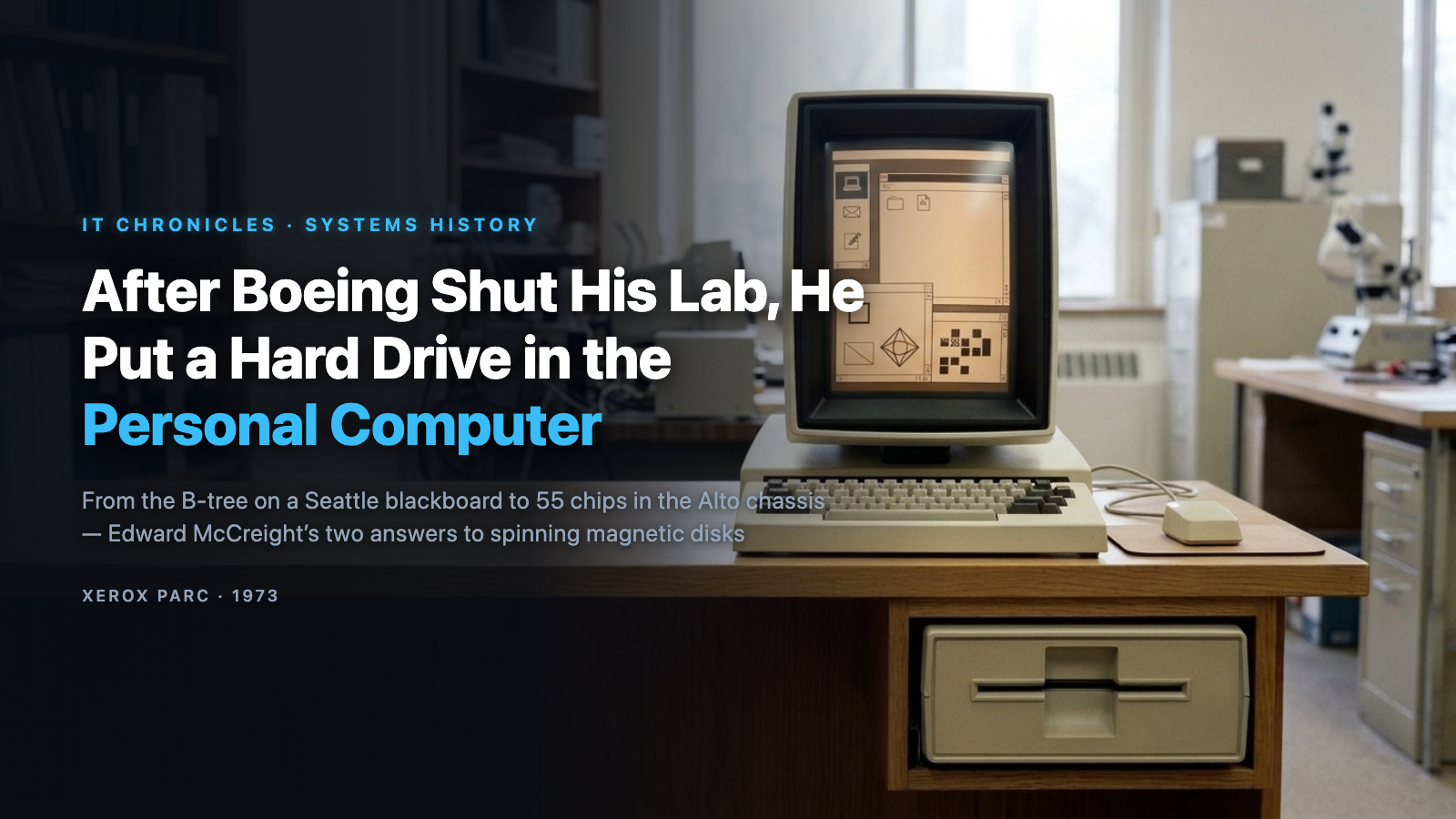
In 1970, when Boeing curtailed basic research, 24-year-old Edward McCreight left Seattle for Xerox PARC. Partnering with Butler Lampson, he co-designed the local disk subsystem for the Xerox Alto using roughly 55 TTL chips, 150 microinstructions, and sector label verification to tame spinning magnet
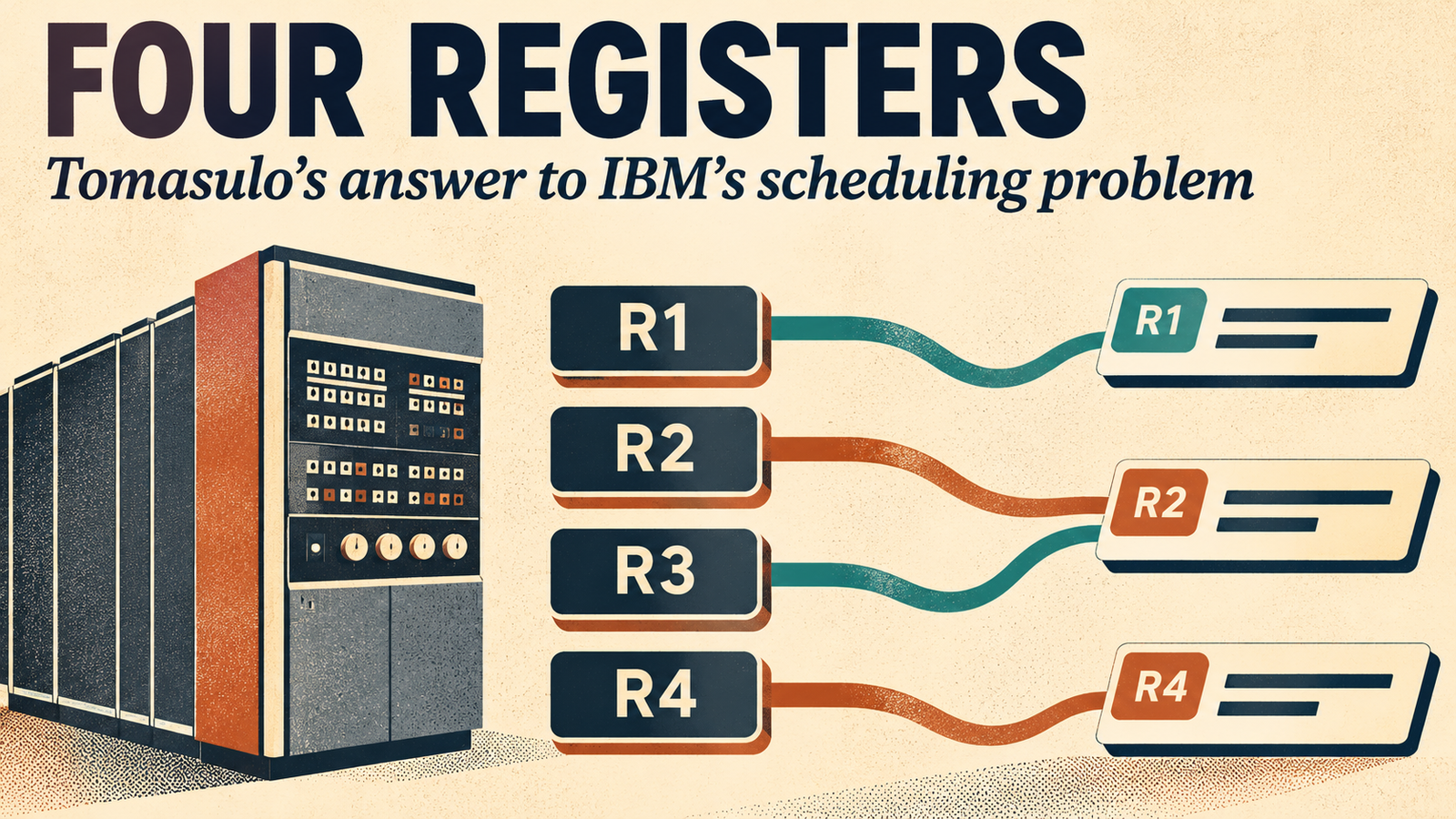
Robert Tomasulo used tags to reduce register-name conflicts in IBM's Model 91. Three animations explain the mechanism.
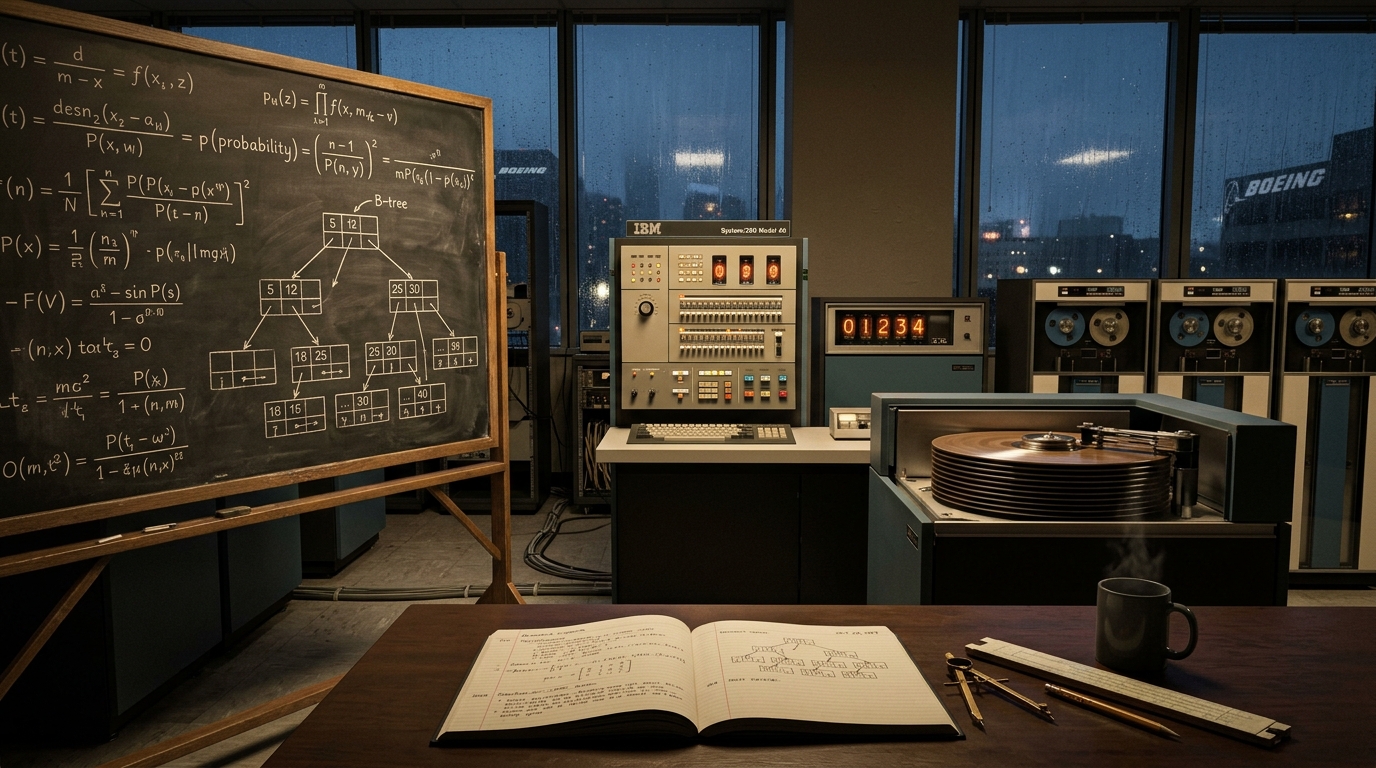
In 1969, Rudolf Bayer and Edward McCreight created the B-tree at Boeing, balancing 50 ms disk seeks against 90 μs data streaming.

The CDC 6600 gained speed through short signal paths, peripheral processors, and a hardware scoreboard, while its operating system lagged behind.
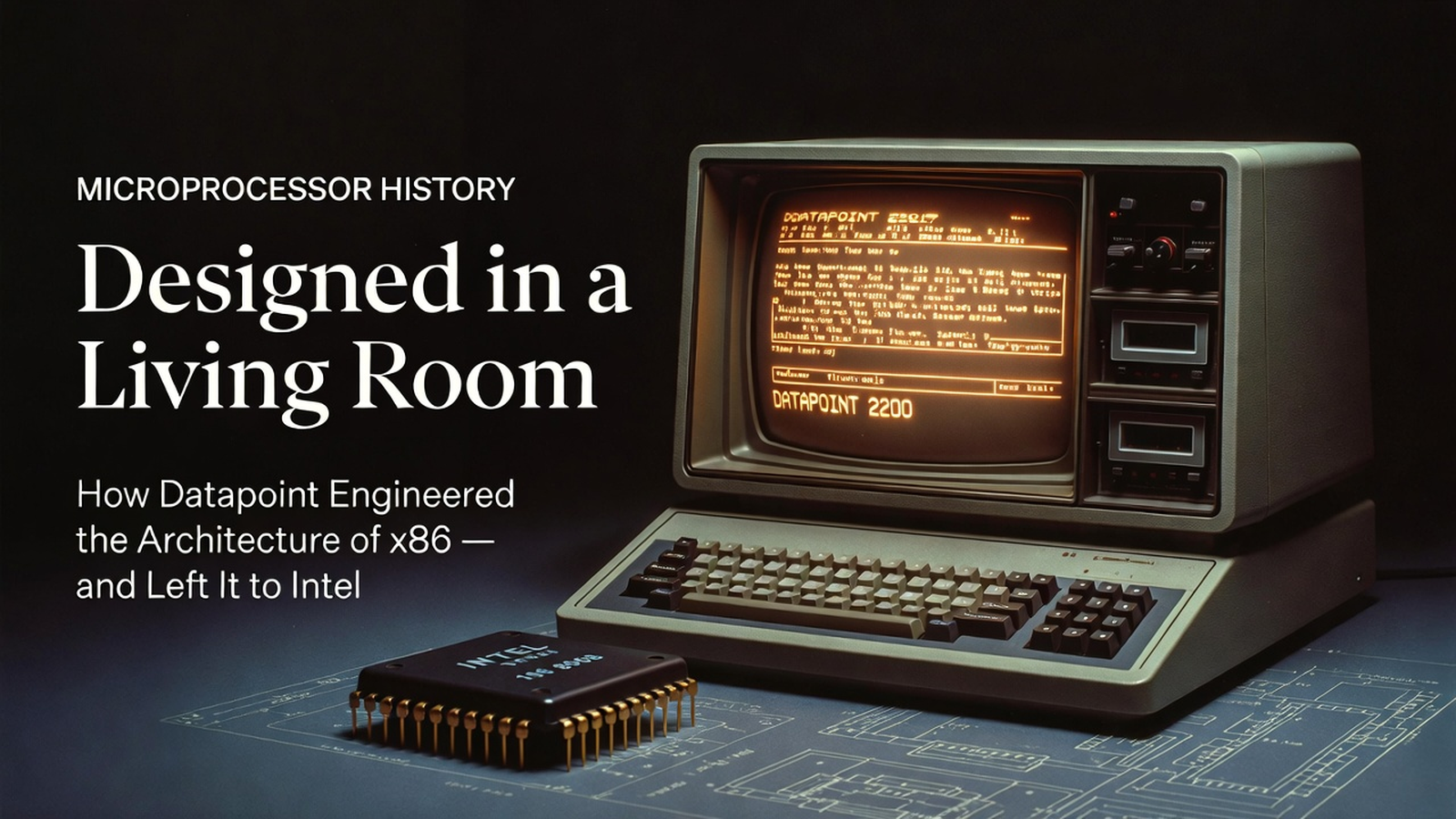
In 1969, CTC designed the instruction set behind modern PCs on a living room floor, but walked away from the chip over a development fee.
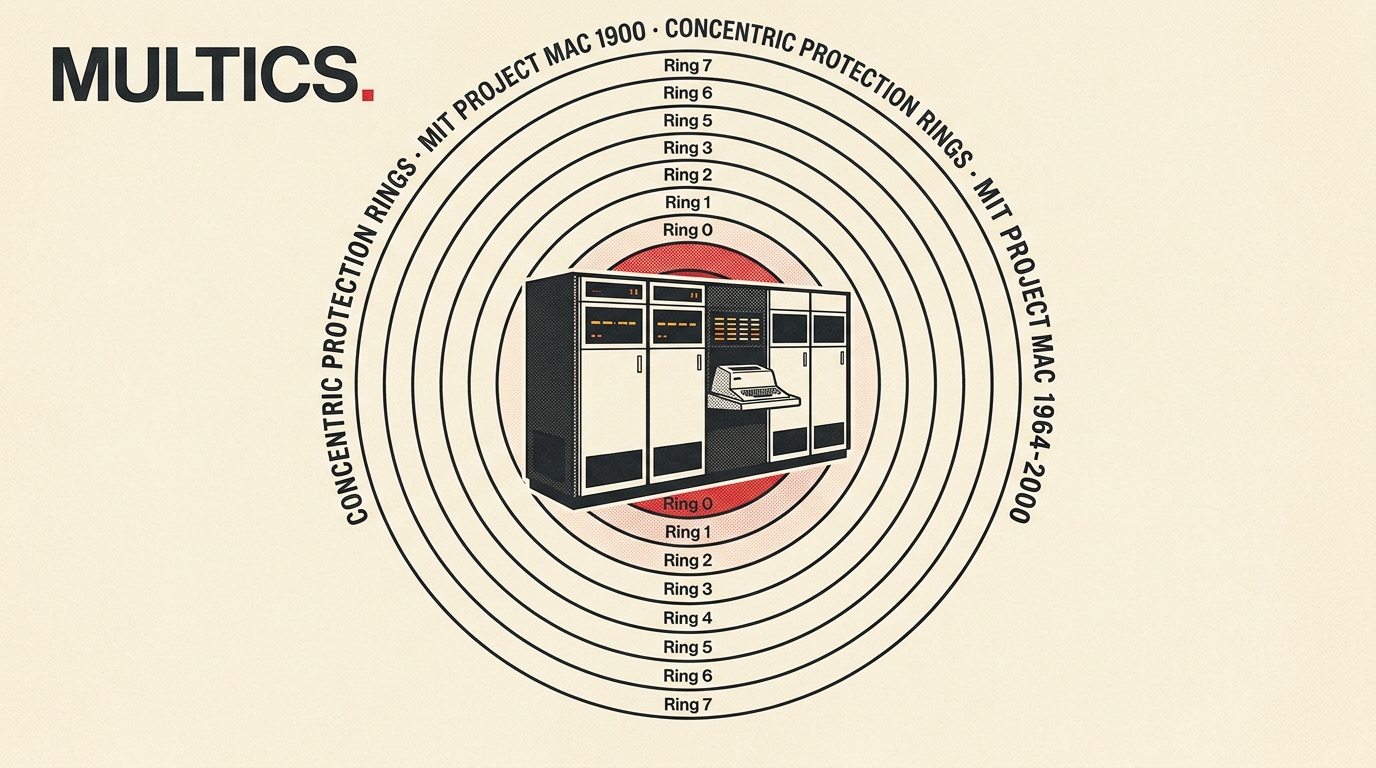
Multics is remembered as the bloated failure that gave us Unix. In reality, it ran for thirty-three years and earned the Pentagon's highest security rating.
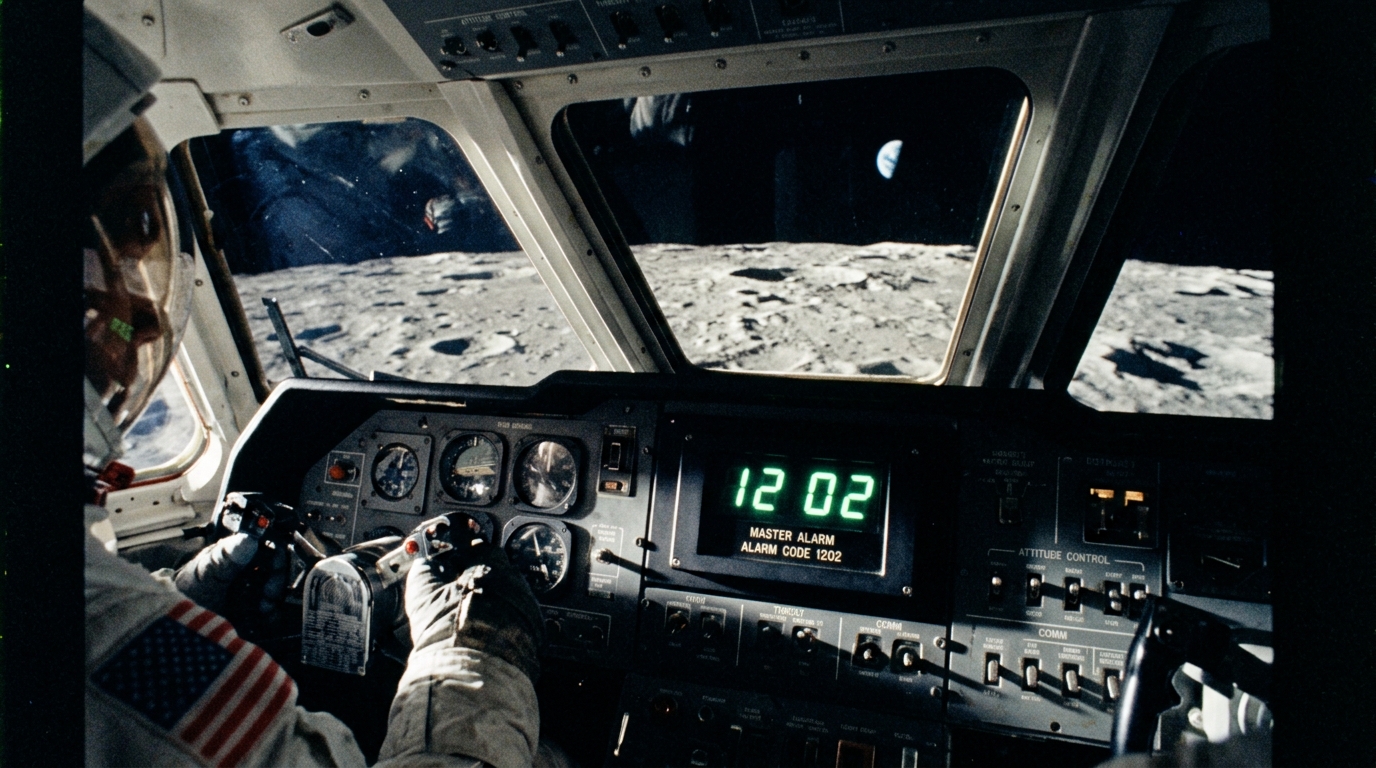
In 1969, Apollo 11 faced a computer overload three minutes before lunar touchdown. Here is how an asynchronous priority scheduler saved the mission.