While everyone on Twitter is chasing the next AI wrapper or prompt marketplace, a post on Hacker News asked a much more grounded question:
If you’re making more than $500/month from a side project in 2025, what are you building?
The answers were refreshing.
No hype.
No “AI will change everything” slogans.
Just small, specific problems solved well—often in niches most of us never think about.
I picked 10 of the most interesting projects from that thread.
If you’re feeling burned out by endless AI discourse, this might help reset your brain.
1. A Printable “Escape Room” You Can Play at Home

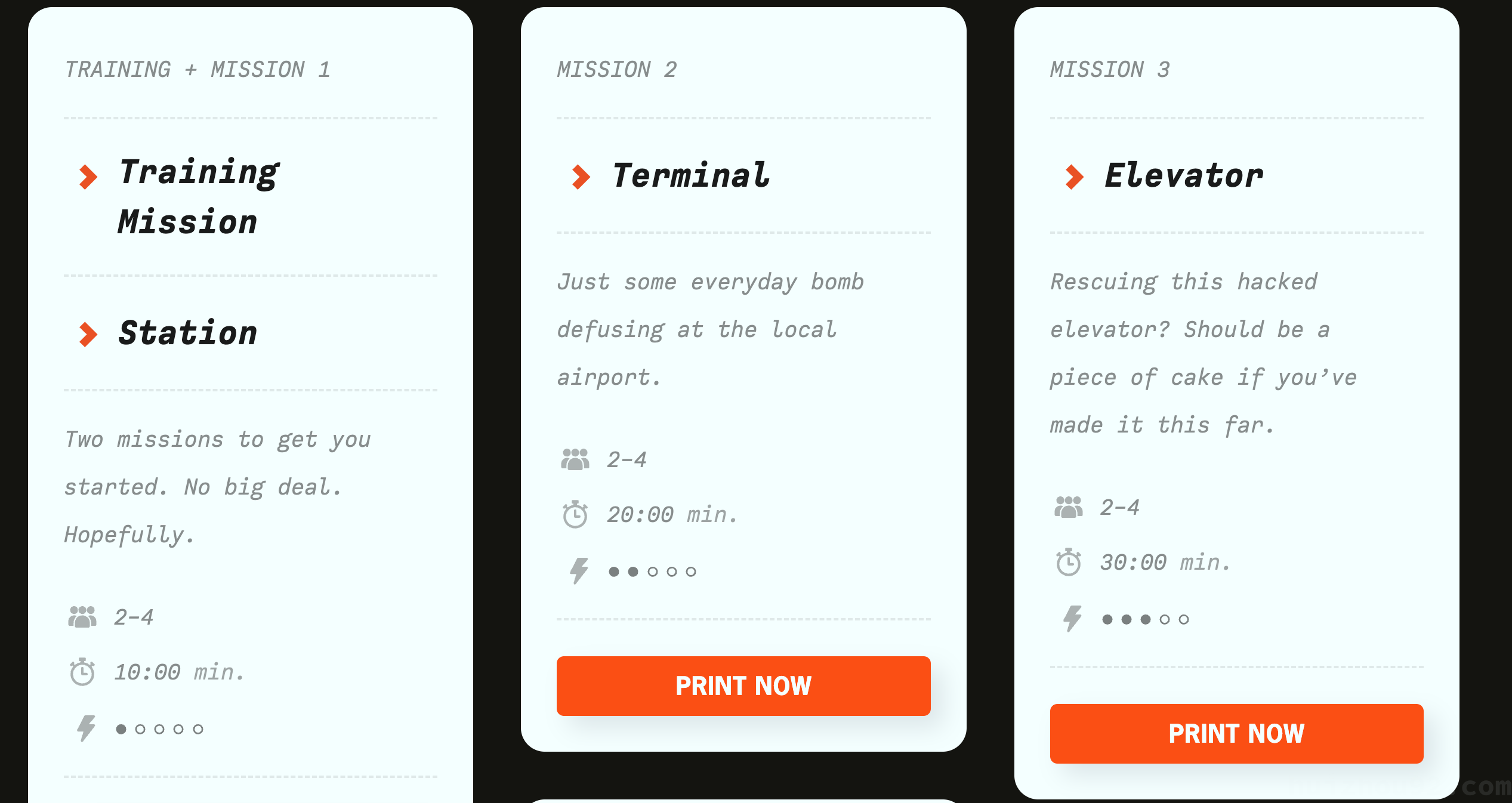
Instead of building a physical escape room, this project sells downloadable PDF escape games.
Users buy a script, print it, cut it out, and use a companion app to play puzzles at home—perfect for parties or family gatherings.
- MRR: ~$1,000
- Website: https://www.escape-team.com/
Why it works:
Digital distribution + physical interaction = low cost, high perceived value.
2. Managing Xbox Consoles in Children’s Hospitals

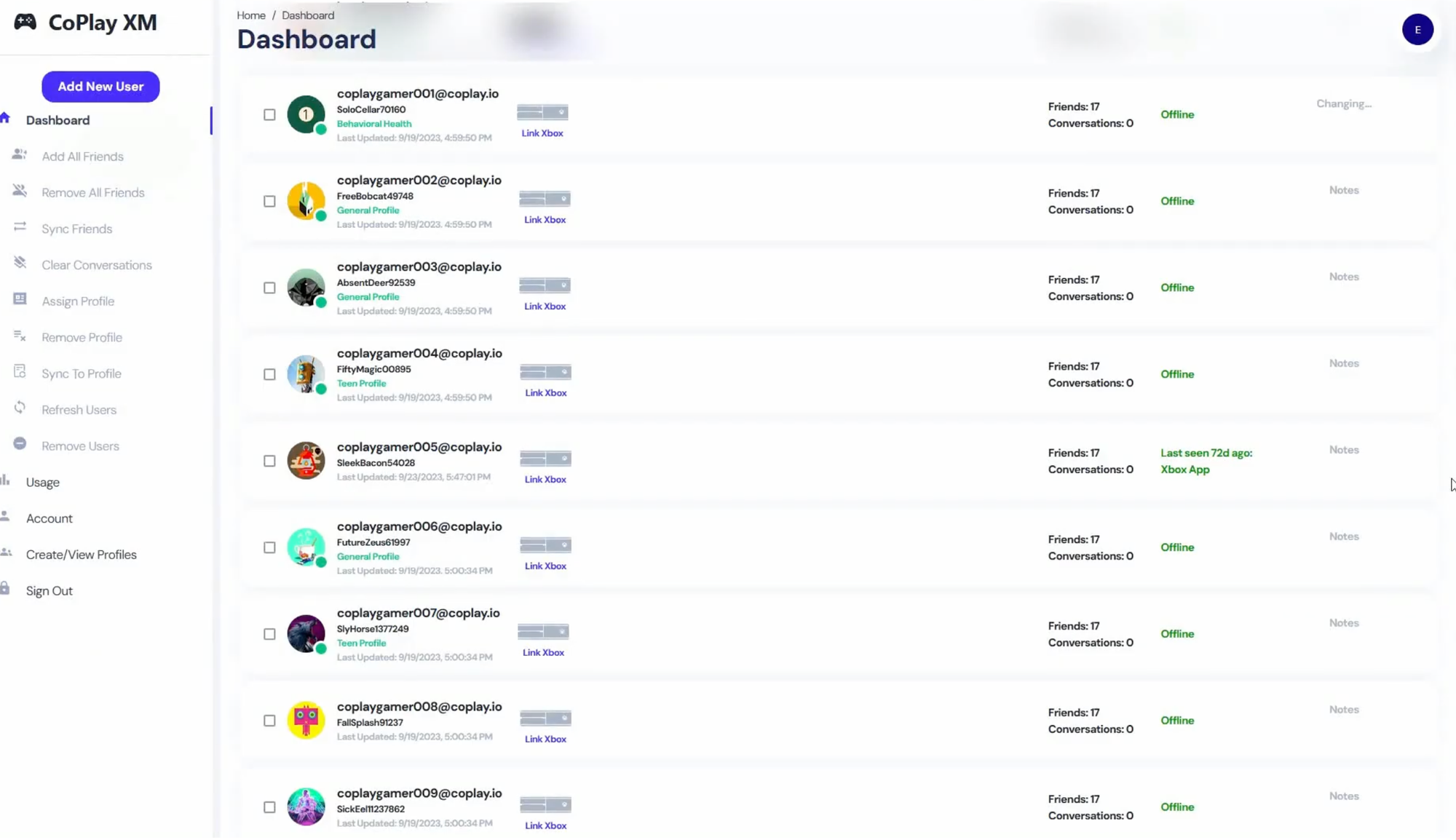
A children’s hospital wanted an Xbox in every room—but managing dozens of consoles manually was a nightmare.
This project built a centralized admin system to configure, update, and manage all consoles remotely.
- MRR: ~$6,000
- Website: https://coplay.io/
Why it works:
A painfully specific enterprise problem, with a buyer who really needs a solution.
3. One-Off Online Fax (Yes, Fax)
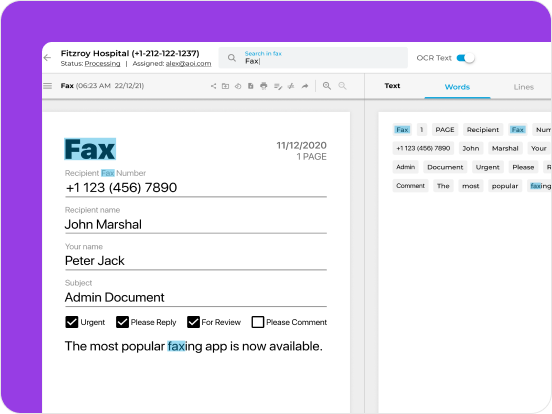
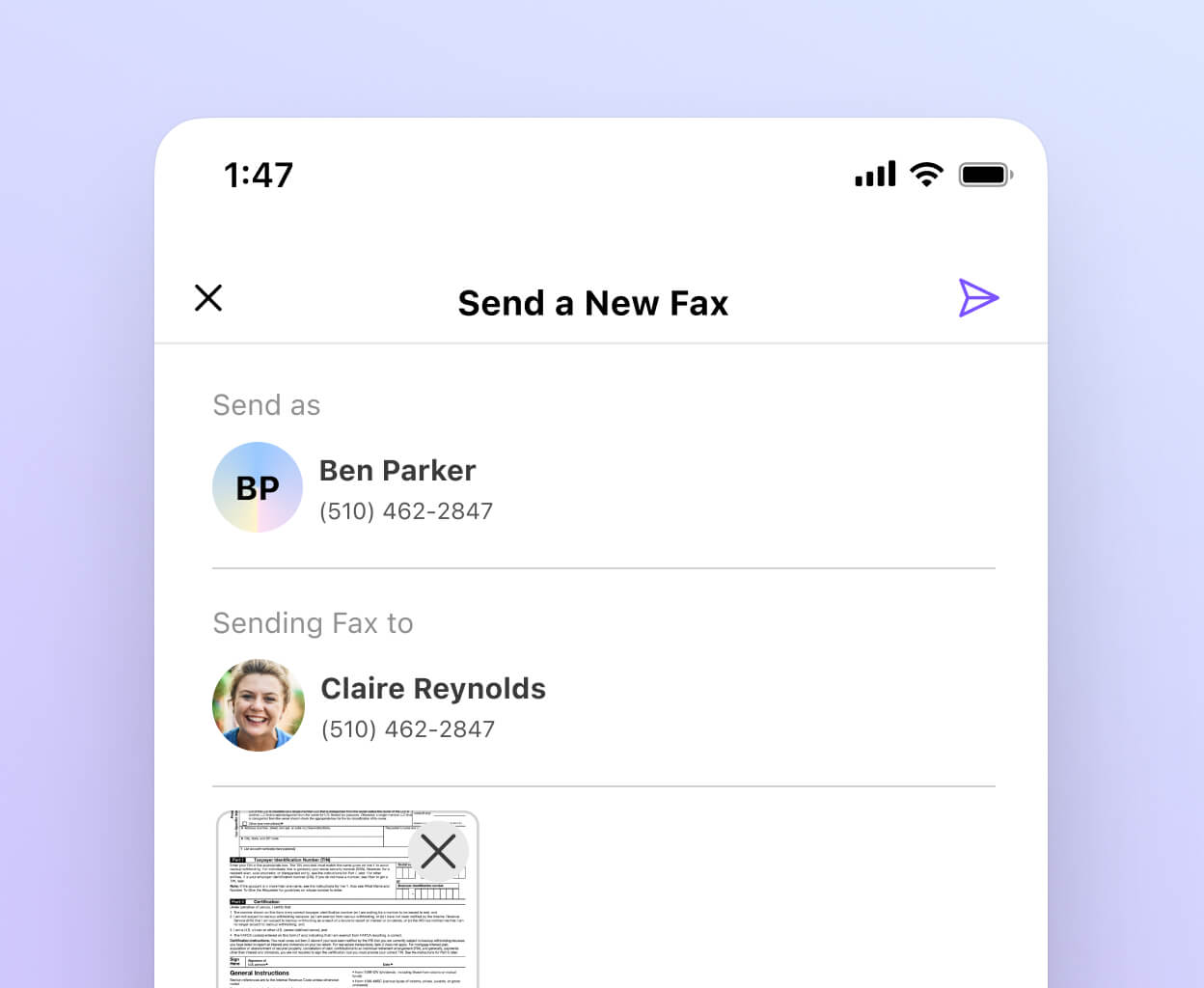
Sometimes you just need to send one fax. Not a subscription. Not an account.
This service does exactly that: upload → pay → send.
-
MRR: ~$500
-
Website: https://justfaxonline.com/en/
Why it works:
It monetizes inconvenience. And faxing is still inconvenient.
4. Duplicate Photo Finder for macOS

A macOS app that detects duplicate and visually similar images—handy for photographers with massive local libraries.
- Paid users: 100+
- Website: https://maheepk.net/projects/dedupx/
Why it works:
Local storage is exploding. Cleanup tools age very well.
5. GPS-Based Check-In for Teams and Classes

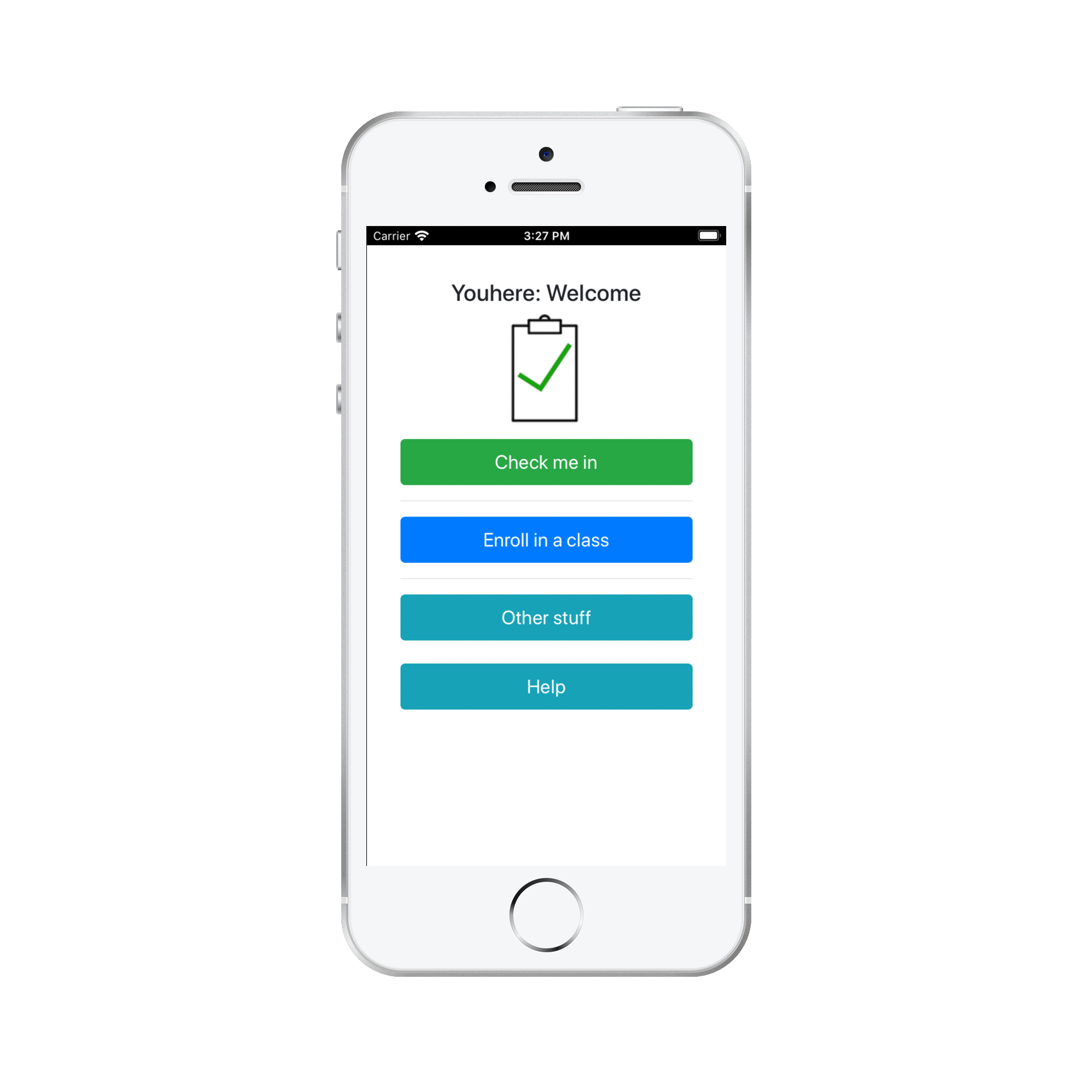
Teachers, coaches, or team leads set a location and time. Participants must physically be there to check in—verified by GPS.
- MRR: ~€500
- Website: https://www.youhere.org/index.php/start/
Why it works:
It replaces paper sign-ins with proof, not trust.
6. Practicing Cold Calls by Actually Making Calls


Most sales practice tools simulate calls on screen.
This one actually dials your phone and connects you to an AI, forcing you to practice under real conditions.
- MRR: ~$500
- Website: https://coldcallgym.com/
Why it works:
Fear reduction through exposure—not theory.
7. Paying Your Kids to Save on Taxes

Parents log their kids’ work (filing, photos, admin tasks), treat it as a legitimate business expense, and route income into tax-advantaged accounts like a Roth IRA.
- MRR: ~$500
- Website: https://trypixie.com/#how-it-works
Why it works:
It turns tax optimization into a family financial strategy.
8. Turn Photos Into Printable Coloring Pages


Upload a photo of your pet, child, or vacation—get a clean black-and-white coloring page ready to print.
- Website: https://dreamandcolor.com/
Why it works:
Personalization beats stock content every time.
9. Tracking Hard Drive Prices on eBay
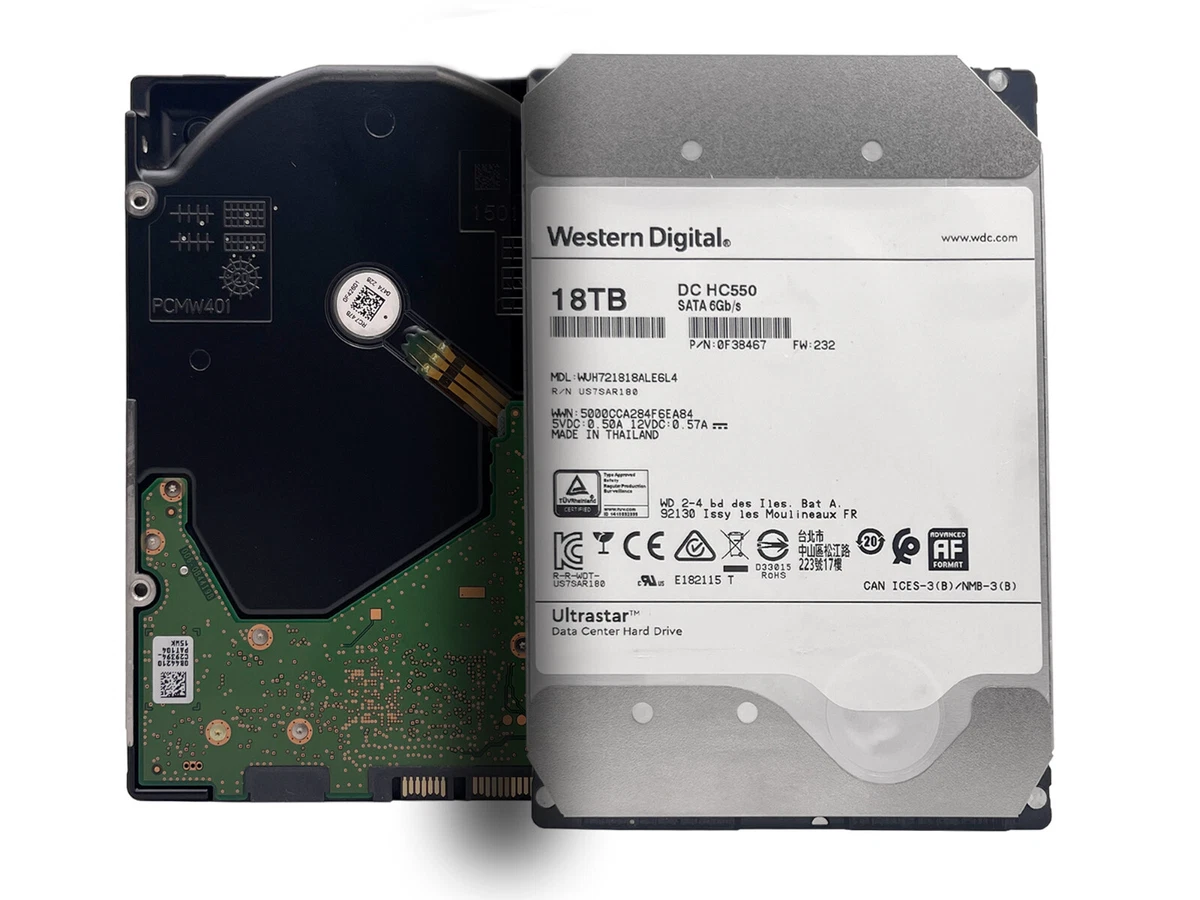
This project scrapes eBay listings for disks and memory cards, parsing titles with 200+ regex rules, then monetizes via affiliate links.
-
MRR: $400–$600
-
Websites:
https://unli.xyz/digitalfilmstock/
https://unli.xyz/diskprices/
Why it works:
Data cleaning is painful. If you do it once, others will pay.
10. A Daily Logic Puzzle (No Ads)

Each day has a new puzzle: easy on Monday, brutal on Sunday. Revenue comes from selling puzzle packs, not ads.
- Website: https://cluesbysam.com/
Why it works:
Habit + ownership beats ad-driven distraction.
The Real Pattern Here
None of these projects are “sexy”.
But they all share something powerful:
- A very specific audience
- A clear, painful problem
- Simple pricing
- No dependence on hype cycles
In a world obsessed with AI, these projects quietly remind us:
Making money is often about reducing friction, not inventing the future.
If you want to build something sustainable, maybe don’t ask
“What’s the next big thing?”
Ask instead:
“What’s an annoying problem people already tolerate?”
Source discussion:
https://news.ycombinator.com/item?id=46307973