Chinese New Year: A Celebration of Family And Food
Chinese New Year: A Celebration of Family And Food. What 1.4 billion people experience during the world’s largest annual migration Picture this: A train st。
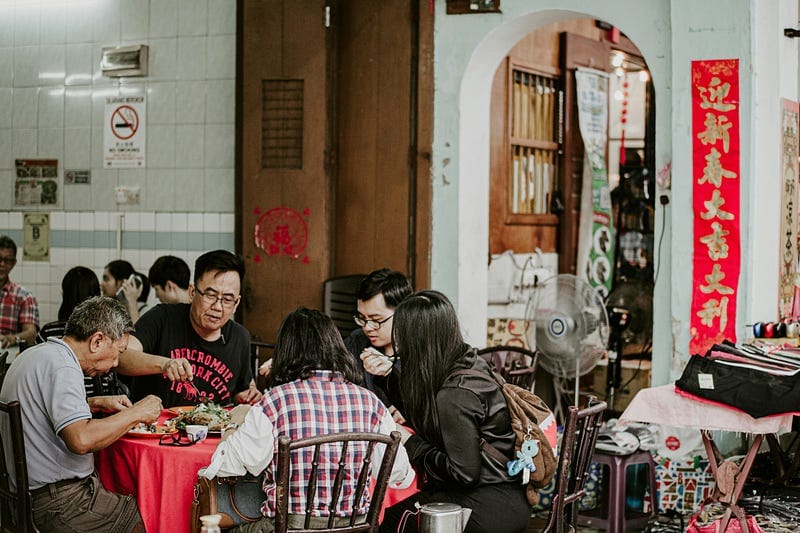
What 1.4 billion people experience during the world’s largest annual migration
Picture this: A train station so crowded it makes Times Square on New Year’s Eve look like a sleepy village square. Millions of suitcases stuffed with specialty snacks from faraway cities. Grandparents practicing their best dumpling-folding techniques. This is Chunyun — the Spring Festival travel rush — the opening act of Chinese New Year, a holiday that turns ordinary family bonds into something closer to sacred obligation.
When Homecoming Becomes a Superpower
In China, New Year doesn’t whisper — it roars. While Westerners debate whether to wear sparkly dresses or ugly sweaters for December 31st, over 300 million Chinese migrant workers embark on a religious pilgrimage… to their parents’ living rooms.
My Beijing-born friend Li Wei once said this: “For 11 months, we’re modern individuals chasing careers. In that 12th month, we transform into ancient family puzzle pieces — no matter how far we’ve drifted, the reunion dinner table demands we fit perfectly again.”
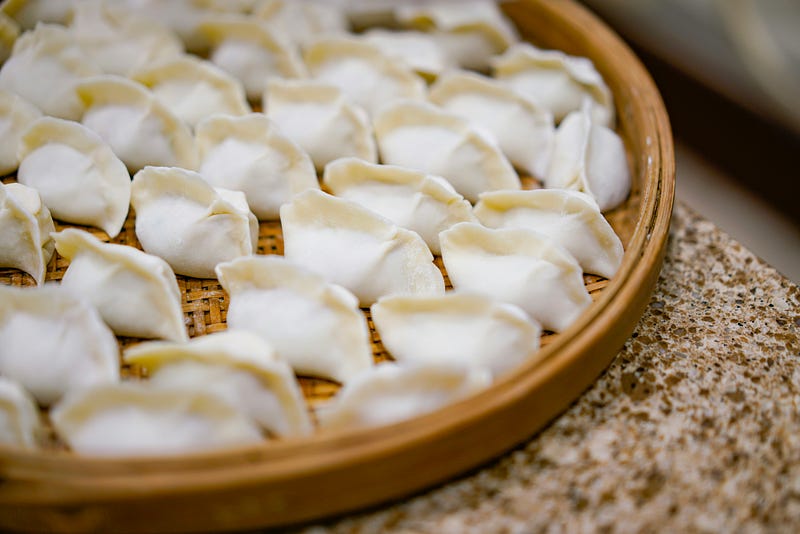
The Edible Dictionary of Wishes
No Chinese New Year guide would be complete without decoding the culinary hieroglyphics:
- Jiaozi (dumplings): Shaped like ancient gold ingots, each fold whispers, “Get rich.”
- Fish: Served whole, head intact, because “surplus” (yu) sounds like “fish”
- Niangao (sticky cake): An edible pun for “rising higher yearly.”
But the real magic happens in the chaos in the kitchen. Imagine three generations arguing over pork-to-cabbage ratios while secretly competing for the “most innovative dumpling pleat” — it’s MasterChef meets family therapy session.
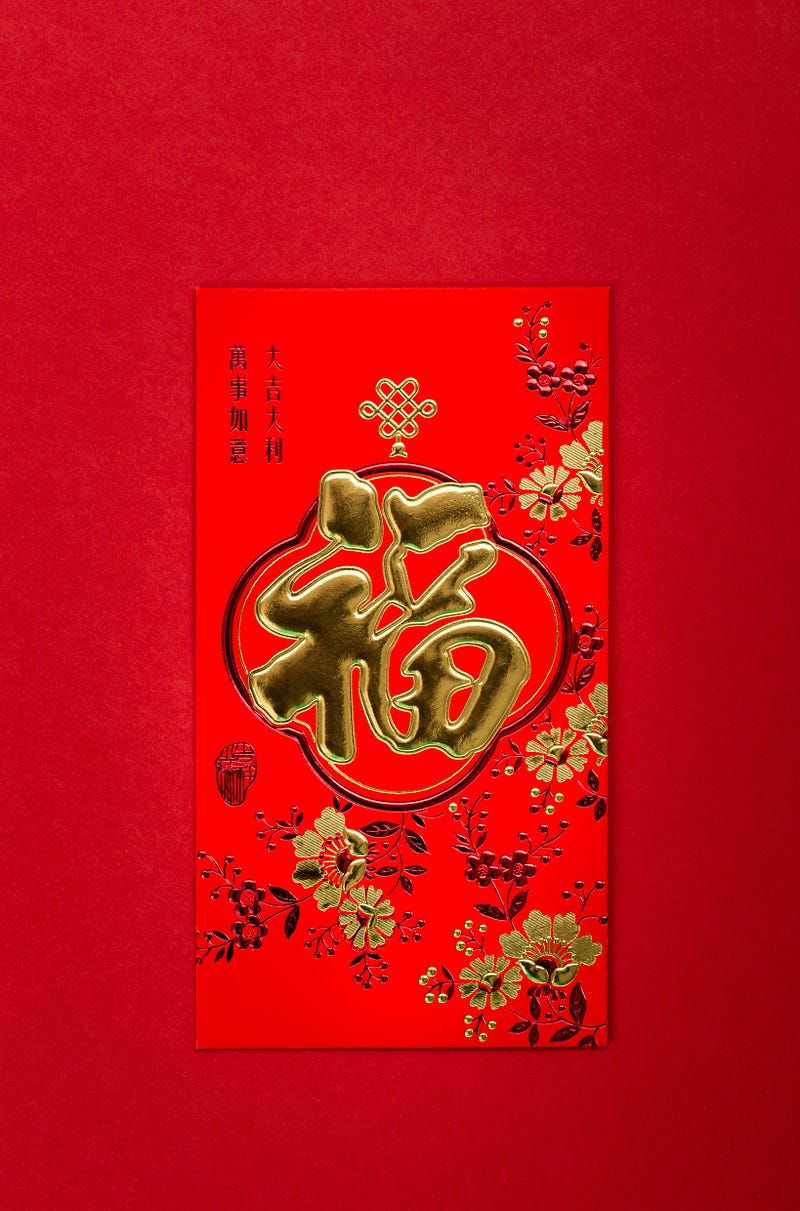
Red Everything (Except Your Bank Account)
Red doesn’t just decorate — it wages spiritual warfare against mythical monsters. You’ll find it in:
- Hongbao: Cash-filled red envelopes that turn children into temporary tycoons
- Chunlian: Poetic couplets where calligraphy meets doorframe graffiti
- Firecrackers: Ancient Chinese noise pollution believed to scare off bad vibes
Pro tip: If a Chinese auntie hands you a red envelope, practice your “Oh no, I couldn’t!” pantomime — but everyone knows you’ll eventually surrender.
When Ancient Traditions Meet WeChat
Modernity has added new layers:
- Digital red envelopes: Collect virtual cash while battling slow WiFi like it’s the Great Firewall
- Cloud reunions: Family Zoom calls where someone always forgets to unmute
- Travel rebellion: Young urbanites opting for Bali beaches over ancestral villages
Yet, through all this, the core remains unchanged. As Shanghai tech worker Zhang Ming told me: “I can block my red envelopes, but I still have to explain to my grandma why I’m not married yet. Some traditions are bulletproof.”
The Quiet Truth Behind the Noise
What Westerners often miss isn’t in the dragon dances or lantern festivals — it’s in the unspoken rules. Like how you must greet elders in exact order of seniority. Or why leftover New Year fish gets eaten for days (hint: throwing it away would be like spitting on the word “surplus”).
This year, as 2 billion red envelopes change hands and 700 million toufu hot pots bubble away, remember: Chinese New Year isn’t about resetting calendars. It’s about reaffirming that some roots remain gloriously stubborn in a country changing at warp speed.
So the next time you see Chinese New Year photos, look past the apparent fireworks. See the uncles pretending not to cry when their kids come home. Spot the millennials rolling their eyes… while secretly memorizing grandma’s dumpling recipe. That’s the real magic — ancient, messy, and utterly resistant to globalization.